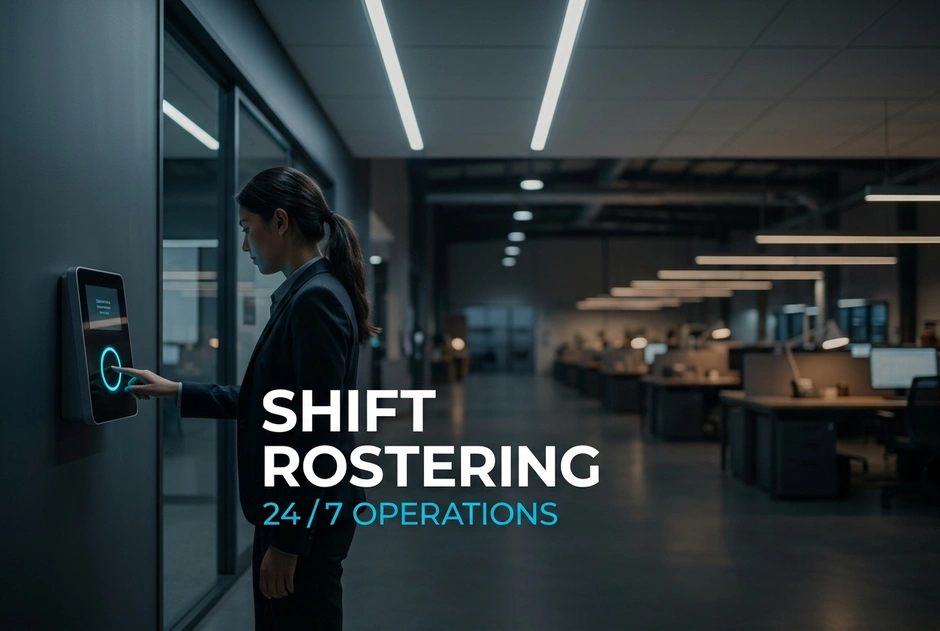
Managing 24/7 shifts with spreadsheets is a nightmare. This is true for Indian manufacturing, healthcare, logistics, and IT. Old methods cause scheduling chaos and compliance risks. They also create a lot of extra office work. Manual errors lead to understaffing and severe burnout. At the same time, buddy punching silently drains your profits.
Using a professional time attendance system solves these bottlenecks. A modern biometric time-attendance system automates complex shift patterns. It tracks who is at work and keeps you compliant. This change ensures error-free payroll. It also balances workloads fairly. Let us look at the real costs of manual scheduling.
Why Do Traditional Punch Cards Fail in Modern 24/7 Operations?
Traditional punch cards fail because they do not show real-time data. Manual tracking struggles with changing shifts and multiple locations. This causes coverage gaps, payroll disputes, and compliance issues. A modern time attendance system and attendance management system reduce these risks. They automate rosters and record accurate times. Instead of scattered records, you get one clear view of who is working. These systems help you manage night shifts, weekly offs, and holidays with clear rules. This helps you follow labor laws and avoid costly penalties.
What are the hidden costs of manual scheduling?
Manual scheduling drains valuable company resources.
- Administrative drain: Teams spend too much time checking physical cards, updating sheets, and fixing mistakes.
- Overtime inflation: Without real-time tracking, it is hard to spot unauthorized or unneeded overtime.
These issues leak money every day. They raise operating costs across your whole company.
How does proxy attendance impact your bottom line?
Proxy attendance silently hurts profits across many locations.
- Buddy punching: One worker marking attendance for another leads to unearned wages. It also lowers productivity.
- The biometric fix: A secure fingerprint attendance system or biometric time-attendance system links each entry to one real person.
What This Means for You: Secure your workplace and simplify compliance. Plug payroll leaks with a modern time and attendance system. Next, we will see how automated scheduling prevents employee burnout.
How Do Modern Systems Automate Complex Shift Rostering?
Managing 24/7 work with manual spreadsheets leads to compliance risks and coverage gaps. Managers must balance worker preferences, labor rules, and business needs. A modern biometric time-attendance system and attendance management system help by using smart scheduling engines. These engines adjust shift plans as production or service needs change.
Putting compliance rules directly into your system helps you plan ahead with real data. For example, the software flags if a schedule breaks weekly off rules. It also flags overtime limits. Many platforms combine a fingerprint attendance system with smart scheduling rules. This automated approach cuts manual errors and routine admin work. It supports reliable coverage and helps HR teams improve shifts with real-time data.
Can software handle multi-shift and rotational schedules?
Yes, you can do this through automation. A central attendance management system assigns rotational shifts, night shifts, and weekly offs based on your rules.
- Rule-based engines: The system can include local labor rules. This includes limits on night shifts where they apply.
- Self-service empowerment: Employees can request shift swaps and leave on their phones or computers. The system checks these requests against staffing needs.
This supports fair scheduling. It also helps businesses respect local holidays and events.
How does real-time visibility prevent understaffing?
Real-time tracking helps stop understaffing before it hurts your service quality.
- Instant alerts: Managers get quick alerts if a key shift is short-staffed due to late arrivals or no-shows.
- Cross-location pooling: The system can suggest qualified, available staff from other teams or locations to keep work running.
What This Means for You: A modern time attendance system replaces chaotic manual rosters with structured, rules-based scheduling. Next, we will see how to connect these tools with your payroll.
How Do Indian Labour Laws Impact 24/7 Roster Compliance?
Operating 24/7 in India requires following strict state labor laws and safety rules. Breaking these laws can lead to fines, shutdowns, and bad reputation. Manual scheduling often fails to track changing legal limits. This exposes your business to constant risk. A modern time attendance system reduces this risk. It aligns rosters with working hour rules and company policies [domain_metadata]. It flags potential violations before shifts are set. This keeps your rosters compliant without constant manual checks.
How to automate compliance with state-specific labour laws?
Managing different state rules is a tough task.
- Configurable rule settings: You can set up advanced attendance management systems with your company policies. This includes rules for work hours, rest breaks, and overtime.
- Night-shift safety: You can set rules for night shifts, rest gaps, and transport needs. You can link these to specific groups or locations.
This moves you from static spreadsheets to a smart, rules-based scheduling system.
What This Means for You: You reduce legal risks, avoid fines, and keep your workforce safe and productive.
What role does data privacy play under the DPDP Act?
Biometric data carries heavy legal duties in India under the DPDP Act.
- Consent-driven architecture: A compliant biometric time-attendance system uses consent records, secure storage, and encrypted templates. This meets data protection laws.
- Audit-ready reporting: It keeps detailed logs of attendance events and consent status. This supports official and internal audits.
You should evaluate modern time and attendance systems, including a fingerprint attendance system, for privacy features, not just hardware.
What This Means for You: Your compliance checks become faster, more structured, and easier to document.
What Should Enterprises Look For in a Time-Attendance Partner?
Choosing a partner means looking beyond basic hardware. You must assess reliability, integration, and long-term costs. Cheap, weak devices often fail in busy workplaces. This disrupts daily work. Such downtime raises costs and drains IT and HR teams. Businesses should look for a rugged biometric time-attendance system. It must be built for reliability, security, and software growth.
- Old System: Fragile, standalone devices with frequent breakdowns and manual data exports.
- Modern System: Industrial-grade, unified hardware paired with scalable, real-time time and attendance systems.
What This Means for You: You reduce unplanned downtime, protect your profits, and cut payroll errors across all locations. Choose partners who can integrate with your existing attendance management system and HR tools. A true partner offers full support, from setup and training to ongoing service.
Why is a unified hardware-software stack critical?
Disconnected corporate systems often create integration issues and data gaps. A unified stack ensures hardware and software work together perfectly.
- Eliminate friction: Reduce compatibility issues between different brands and platforms.
- Flexible integration: Use documented interfaces or APIs to connect with HR, payroll, and ERP tools.
This approach simplifies operations. It makes it easier to scale your fingerprint attendance system or face-based solution across sites.
How does reliability and compliance protect your investment?
Physical hardware must support round-the-clock work in busy, high-density workplaces.
- Always-on reliability: Choose proven, professional-grade hardware built for continuous use.
- Security and compliance: Look for systems that follow data protection and security standards in each region.
This keeps biometric and attendance data secure. It also helps you follow laws like India’s DPDP Act.
Frequently Asked Questions
Can a time attendance system integrate with payroll software?
Yes, A professional biometric time-attendance system easily integrates with your existing ERP and payroll software [zkteco.com, hikvision.com]. It uses open APIs to sync real-time logs automatically. This removes manual entry errors. It also ensures accurate payroll processing across all shifts.
How do time and attendance systems handle power outages?
Reliable hardware devices have internal backup power and strong offline storage. A biometric system for attendance stores punch logs locally during network outages. Once the connection is back, the device automatically syncs all data to the central server.
Is biometric tracking compliant with India’s DPDP Act?
Yes, it will be compliant in 2026. A secure fingerprint attendance system stores encrypted templates instead of raw biometric images. It also uses clear consent workflows. This approach respects employee data privacy while meeting strict national legal standards.
How do rosters handle Indian holidays?
The attendance management system lets administrators set up regional holiday calendars. The rule engine automatically adjusts shift patterns. It also suggests staff pooling to maintain 24/7 coverage. This helps keep employee morale high.
Why Upgrade to a Modern Time-Attendance System?
Moving from old punch cards to a smart, compliant biometric time-attendance system is a must. It secures 24/7 business continuity across your operations.
What This Means for You: It stops scheduling errors and reduces compliance risks. It simplifies complex shift rosters for your workforce.
Talk to an enterprise security advisor today. See how a unified, reliable solution can protect your profits and support business growth.
Conclusion
Managing 24/7 shifts with manual spreadsheets is a major headache. Old punch cards cause scheduling chaos, compliance risks, and payroll errors. A modern biometric time-attendance system solves these costly issues. A fingerprint attendance system stops proxy clock-ins to save you money. These systems automate complex shifts and track real-time attendance.
This keeps your business compliant with local labor and data laws. It also prevents employee burnout by balancing workloads fairly. To secure your daily work, replace your old tools today. Talk with an expert partner today to set up a unified, professional system for your entire team.