
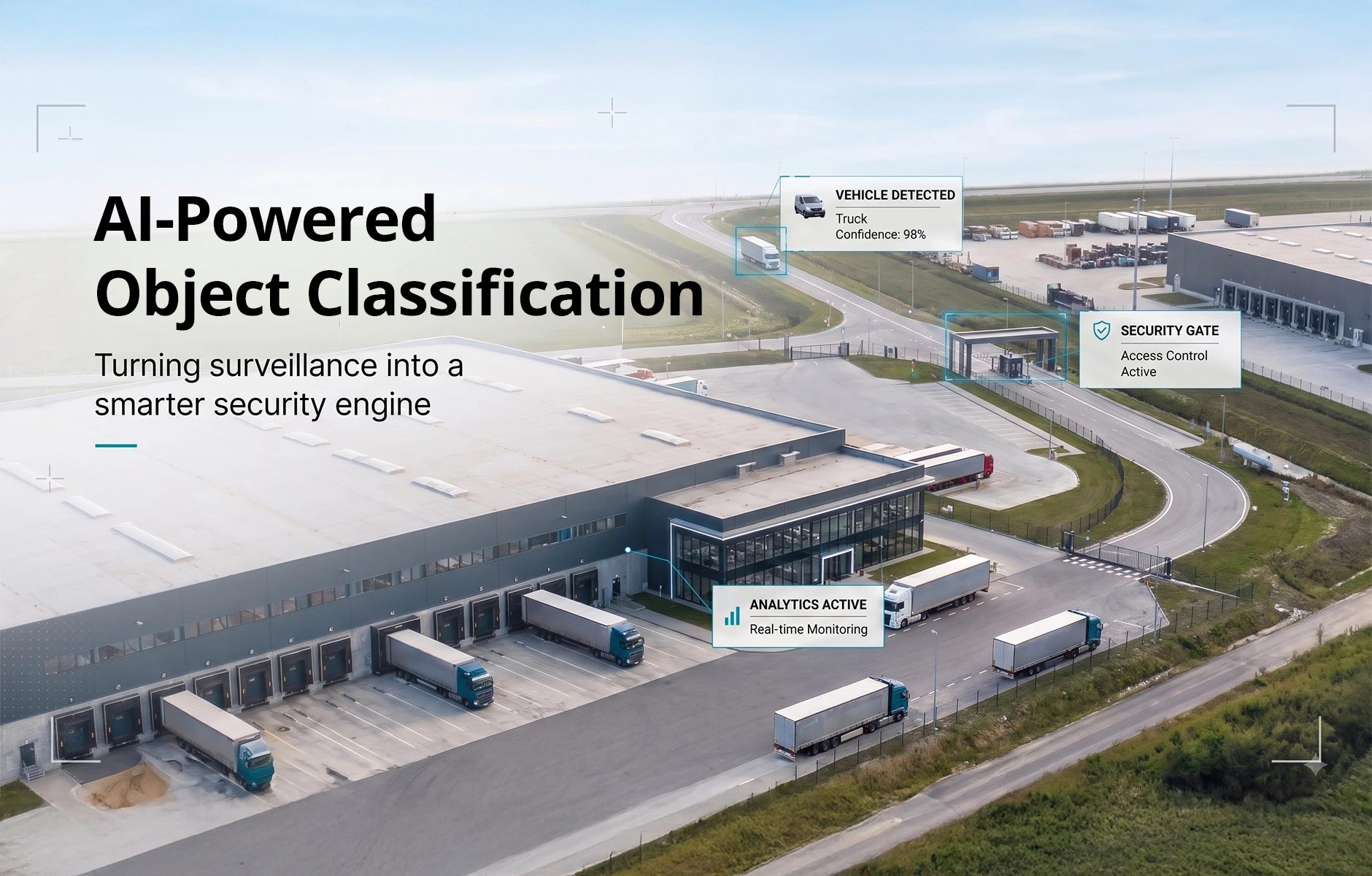
Intelligent Video Analytics, or IVA, transforms video streams into relevant events and actionable intelligence. Within Matrix SATATYA SAMAS, the IVA Engine processes video streams, executes configured analytics, evaluates rules, and generates events.
Object Classification enhances this workflow by enabling the IVA Engine to detect, classify, and track supported objects before evaluating analytics rules. The current release supports two object categories: Person and Vehicle. The IVA Engine then determines whether the configured object type has performed the defined activity, improving event relevance and reducing unwanted detections.
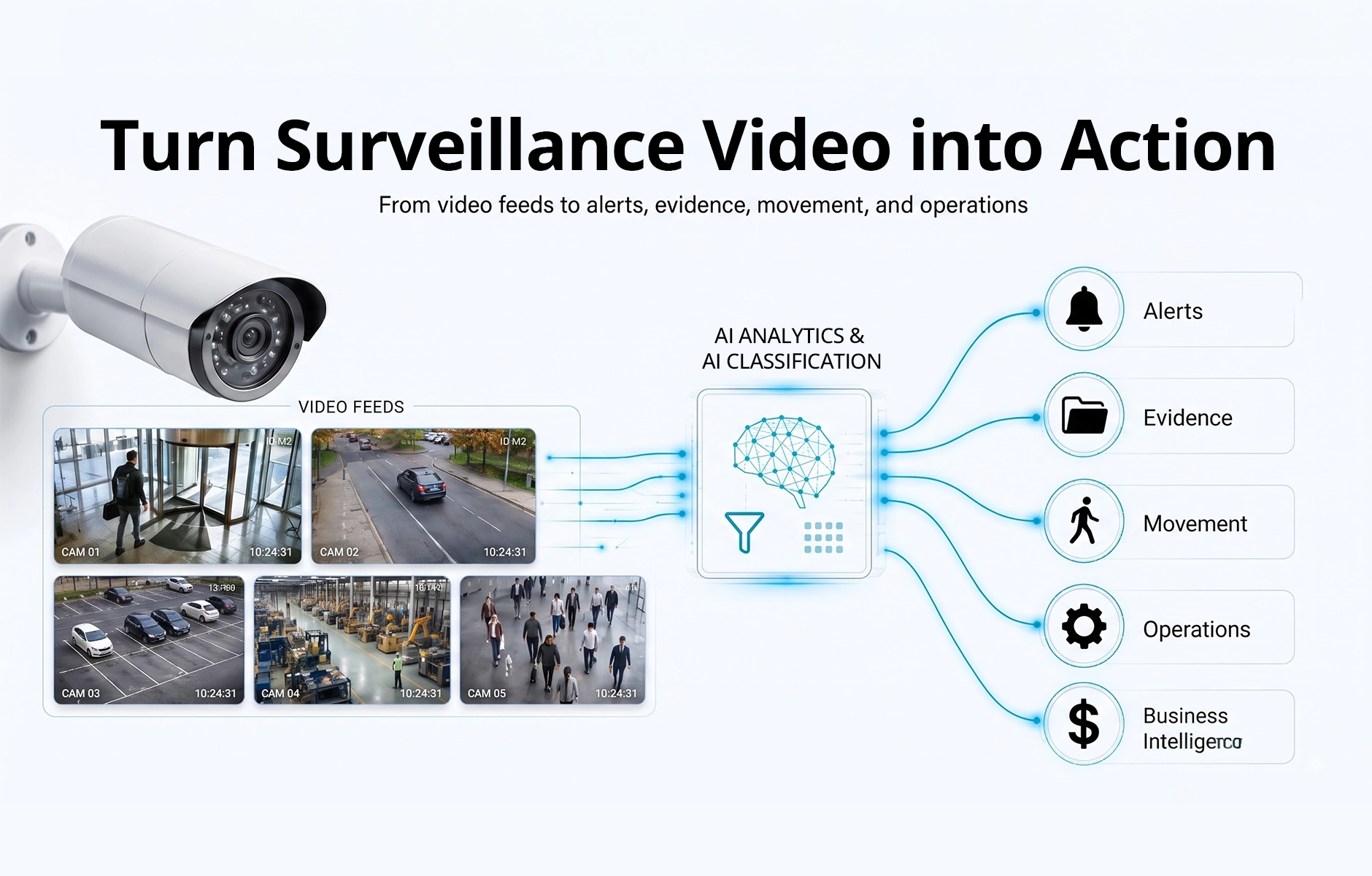
According to MarketsandMarkets, the global AI in video surveillance market was valued at USD 3.90 billion in 2024 and is projected to reach USD 12.46 billion by 2030, growing at a CAGR of 21.3%. This growth shows that businesses are no longer investing in cameras only for recording; they are investing in intelligence that improves security, response, and operations.
Here are six ways this new enhancement makes surveillance smarter and more relevant.
1. Stop Security Breaches at the Perimeter
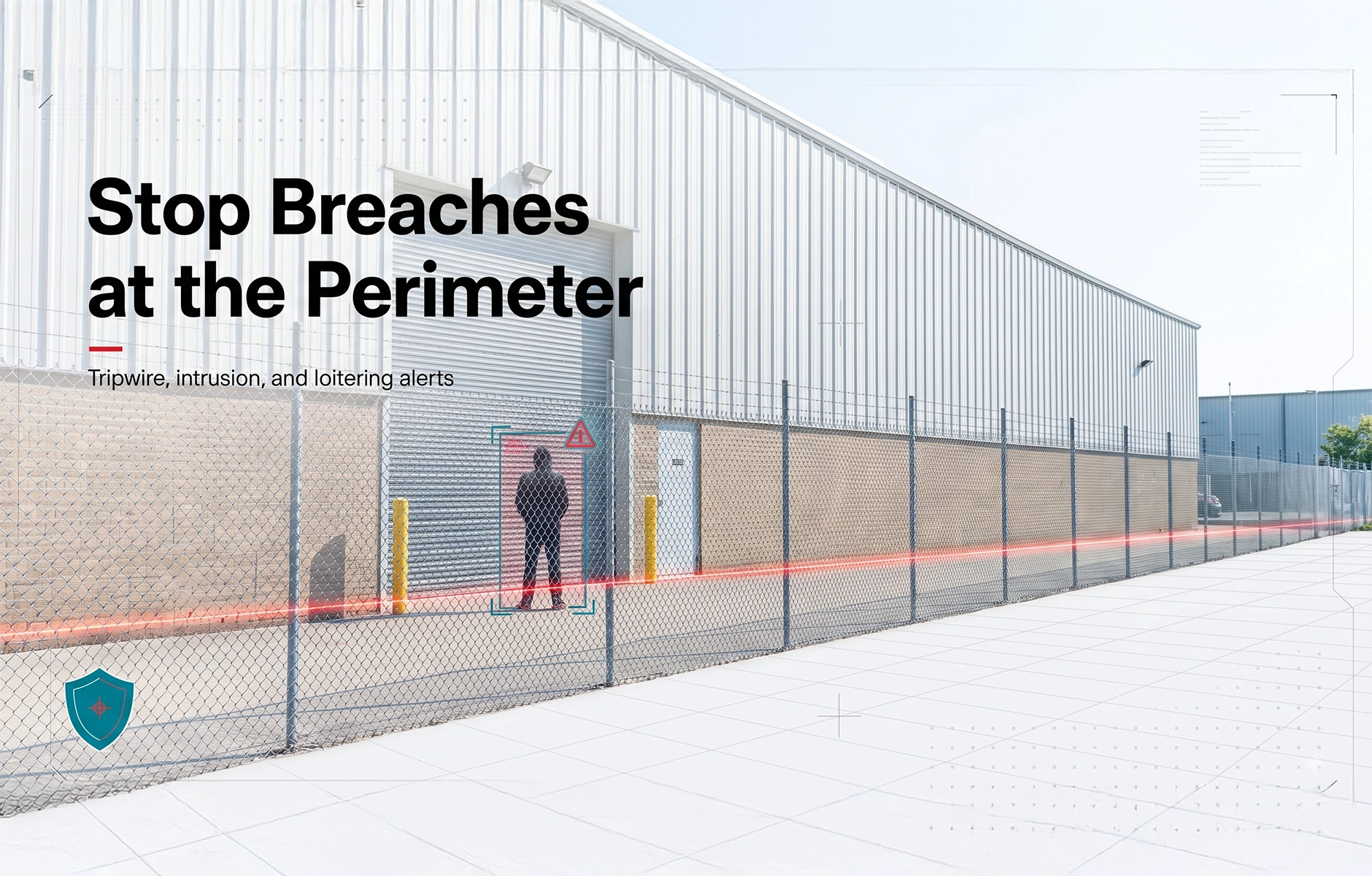
One of the most important business benefits of IVA is earlier action, especially for perimeter security and restricted-zone monitoring.
If a person crosses a virtual boundary near a warehouse shutter after operating hours, Trip Wire or Intrusion detection can generate an event. If someone remains near a sensitive gate for longer than the configured duration, Loitering detection can flag the activity for operator attention.
Tailgating detection can help identify a Person or Vehicle following another through a monitored entry point. Missing Object detection can generate an event when a monitored Person- or Vehicle-category object is no longer present in the configured area.
With Object Classification enabled, these supported analytics can be configured for either the Person or Vehicle category. For instance, a Trip Wire configured for Vehicle generates an event only when a vehicle crosses the defined virtual line.
The business value is earlier intervention, fewer unwanted events, and better visibility into activities around protected zones.
2. Reduce Unwanted Events Caused by Scene Disturbances
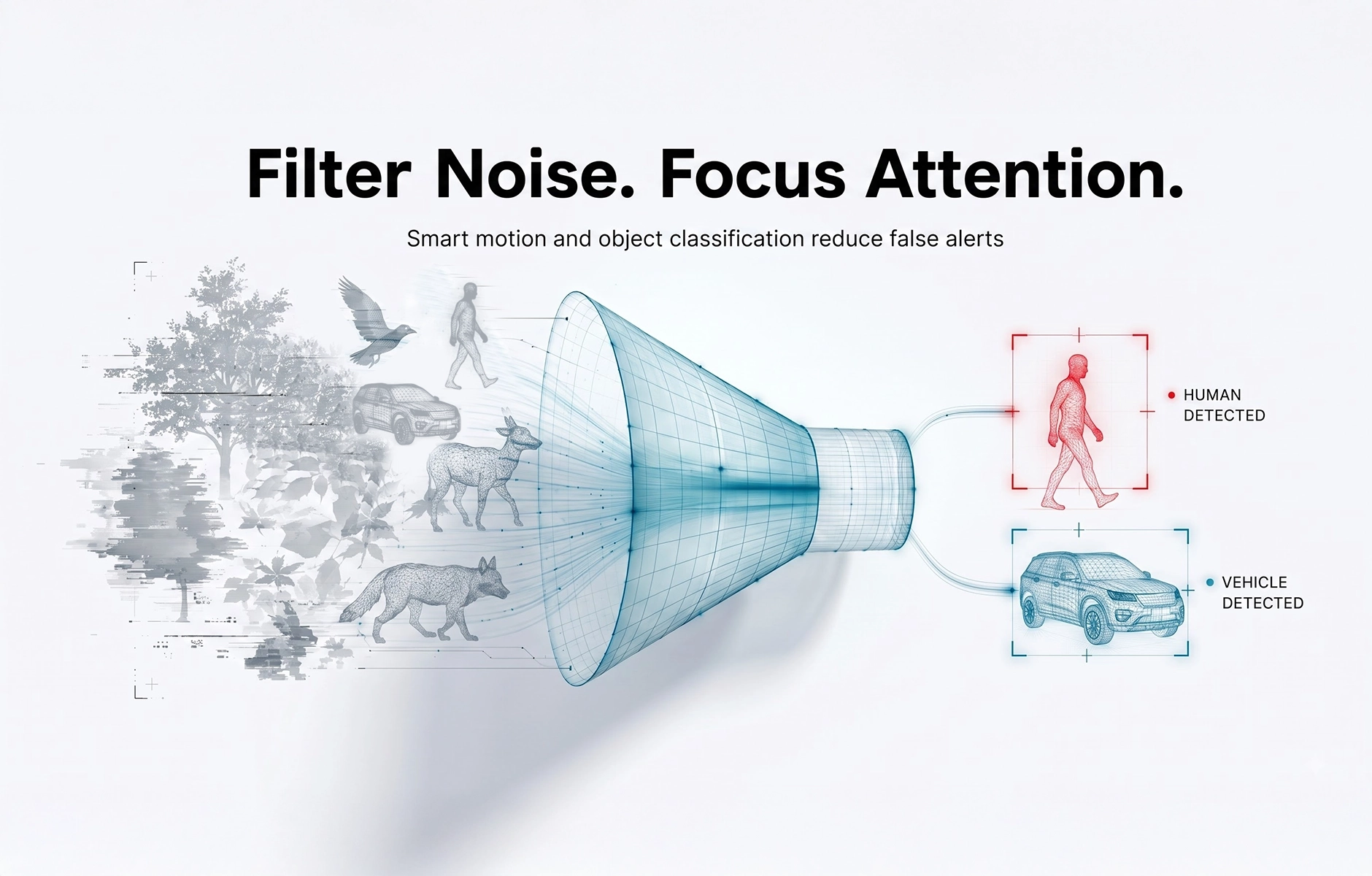
Traditional pixel-based analytics respond to changes in an image but cannot always determine what caused them. Moving vegetation, lighting changes, shadows, reflections, rain, camera vibration, or other scene disturbances may therefore generate unwanted events.
With Object Classification enabled, supported analytics first determine whether a Person or Vehicle is present before evaluating the configured rule. Scene disturbances that do not involve the selected object type are less likely to generate an event.
This improves event relevance and gives operators greater confidence in the events they receive.
3. Configure Analytics Around the Object That Matters
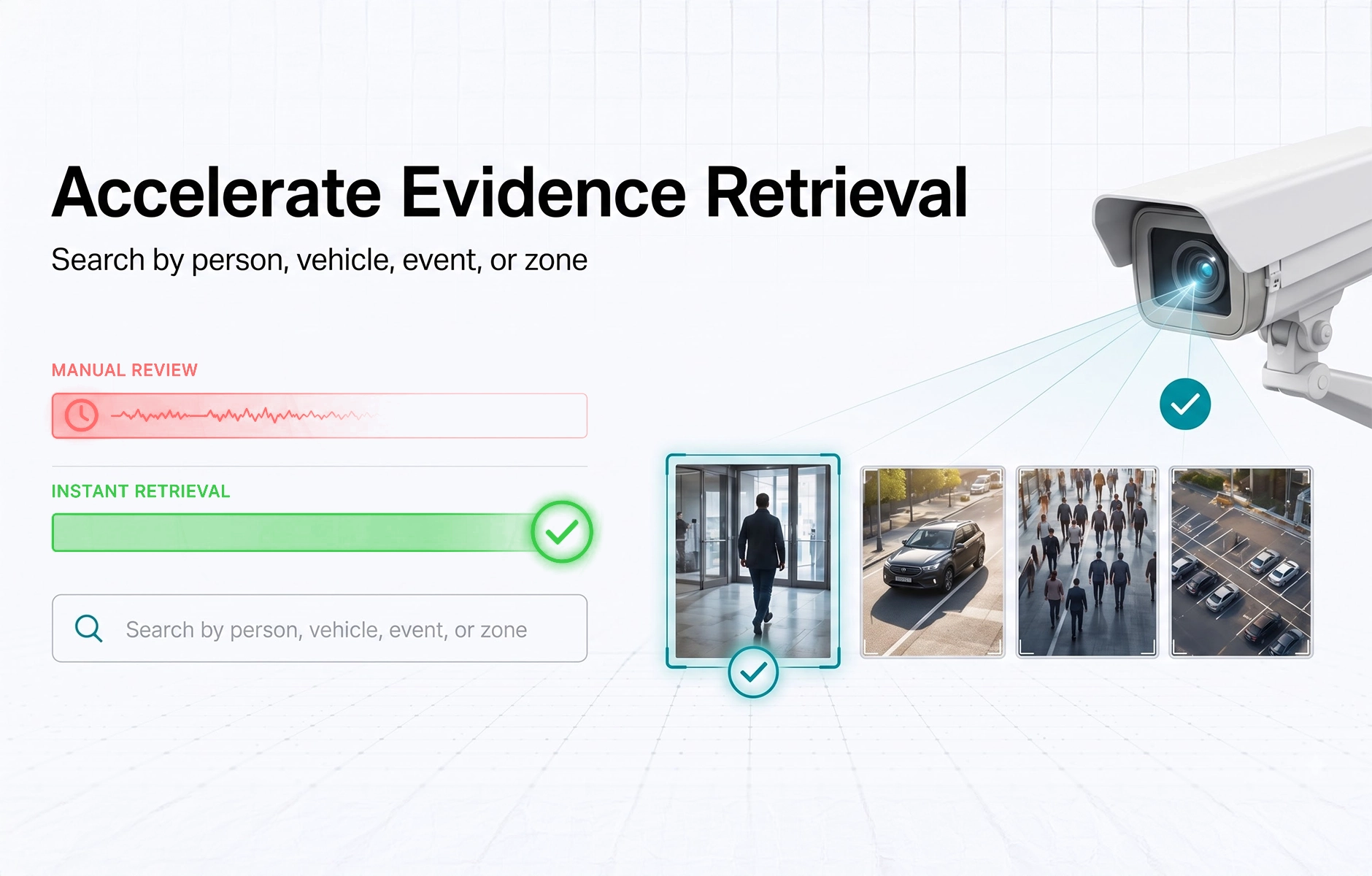
Different areas require different types of monitoring. A restricted corridor may need to monitor Person activity, while a parking entrance may need to focus only on Vehicle movement.
Object Classification allows administrators to select the relevant object category, Person or Vehicle, for each supported analytics event. For example, Motion Detection can be configured to generate events only for a Person in a restricted area or only for a Vehicle at an entry gate. Similarly, Trip Wire can be configured for Vehicle movement, while Loitering can focus specifically on Person activity.
This enables organizations to match analytics rules with the actual security objective of each monitored area, making the same IVA platform more relevant across different applications.
4. Make Parking Smarter with Vehicle and Slot Intelligence
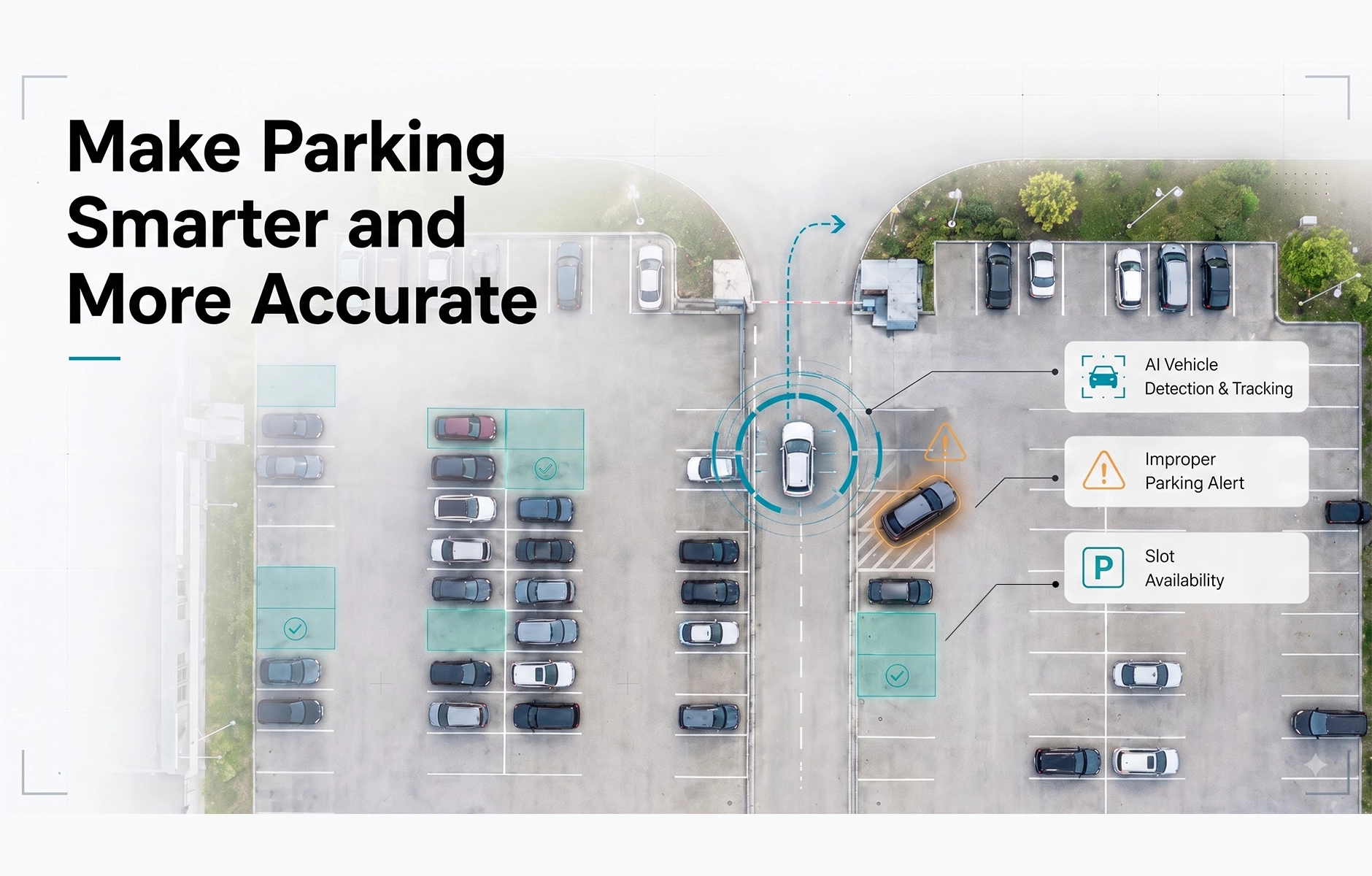
Parking areas are often the first operational checkpoint of a premise. AI Based VMS can help organizations monitor parking activity, track vehicle movement, and improve visibility across parking zones.
Unauthorized, Prohibited, and Improper Parking analytics can help identify parking activities that do not follow configured rules. Slot Occupancy can indicate whether a monitored parking slot is occupied, while Parking Premise Availability can support visibility into parking availability.
Vehicle Overstay can flag vehicles that remain beyond the configured duration. Parking After Closing Hours can generate events when vehicles are detected during restricted operating periods. Vehicle Counting can help monitor the number of vehicles moving through a configured area.
Automatic Number Plate Detection complements these vehicle-focused analytics by enabling the identification of detected vehicle number plates where applicable.
Together, these capabilities support more structured parking management, better operational awareness, and improved monitoring of vehicle-related activities.
5. Reveal How People Move Through Your Premises 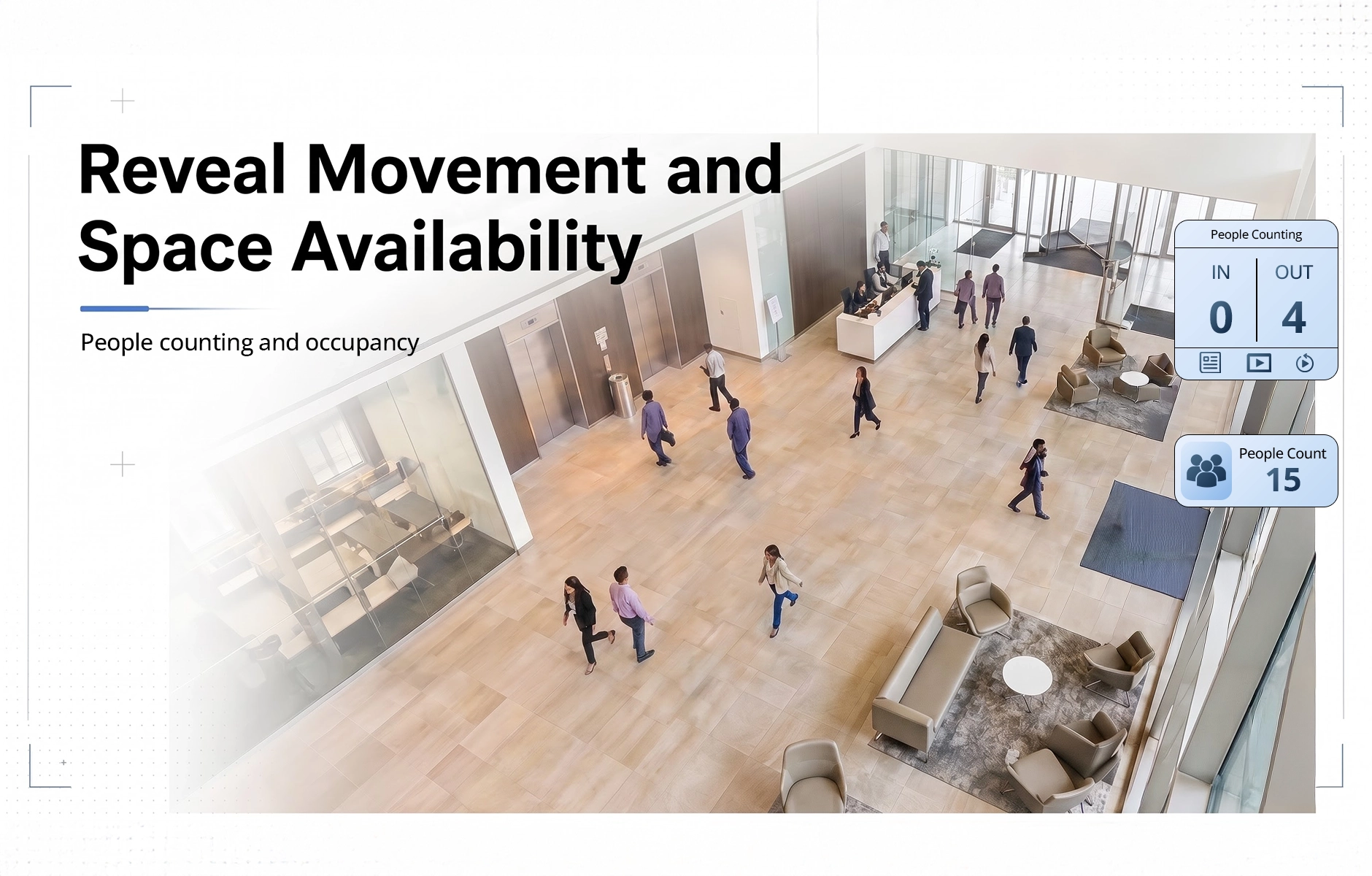
A live camera view shows what is happening right now. However, many operational decisions depend on understanding movement and premise usage across time.
People Counting IVA can help teams monitor footfall at entry points and within configured areas. People In and People Out analytics can track directional movement across defined entry and exit points. Premise Availability can help teams understand whether a monitored space is available or occupied based on configured conditions.
When Object Classification is enabled for supported analytics, these events can be evaluated specifically for the Person category. This helps the system focus on relevant human activity instead of responding to unrelated scene movement.
These capabilities provide more relevant information for facilities, administration, and operations without creating unnecessary alert noise.
6. Adopt AI-Powered Object Classification Without Replacing Existing Analytics
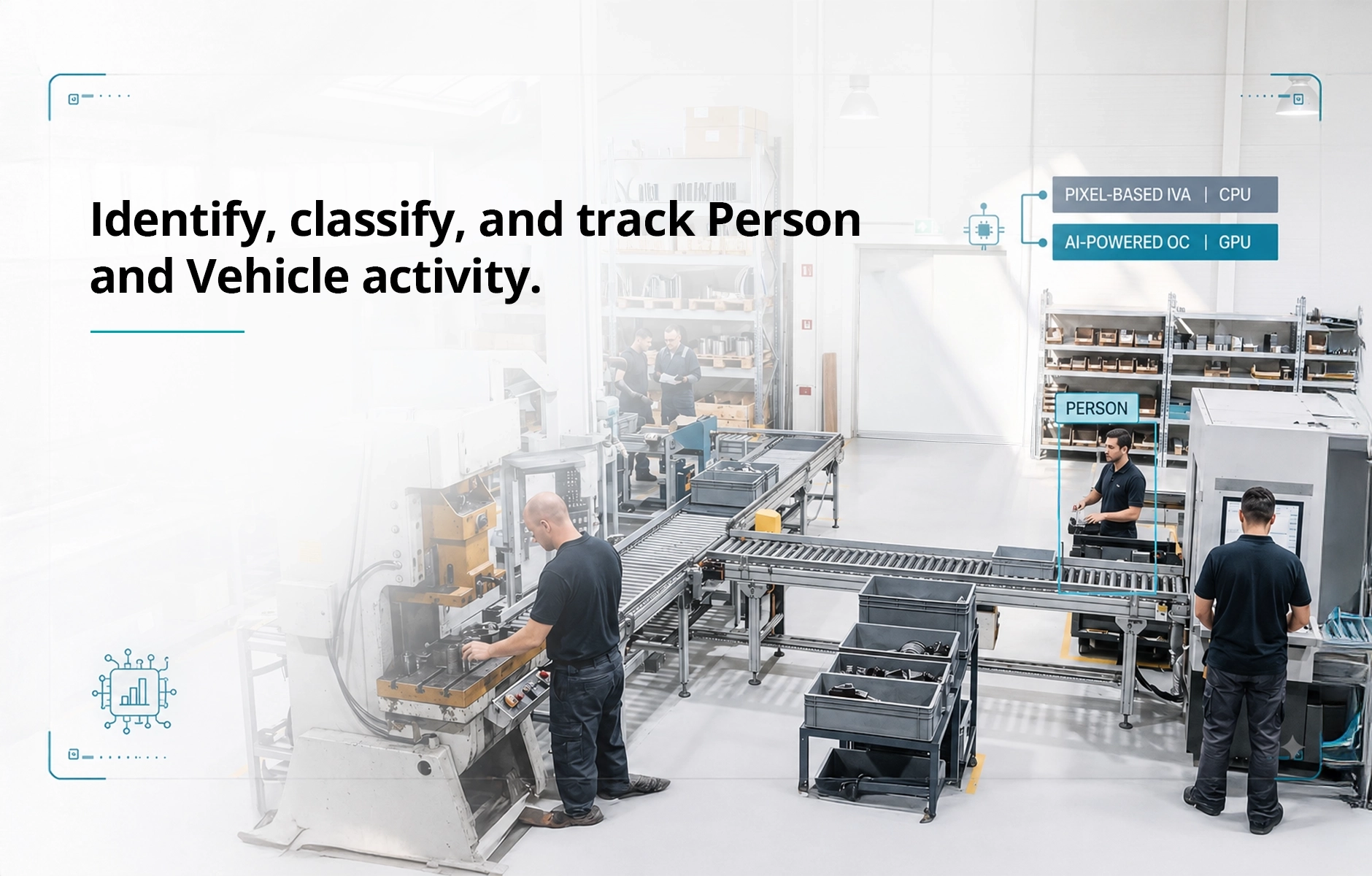
Object Classification is integrated into the existing Matrix SATATYA SAMAS IVA Engine and does not operate as a separate analytics application. Administrators can enable it for supported analytics and select either Person or Vehicle as the relevant object category.
When Object Classification is enabled, supported analytics use the integrated AI model and require GPU acceleration. When it is not enabled, traditional CPU-based pixel analytics continue to operate as before.
This dual-mode architecture allows organizations to introduce object-aware analytics according to their deployment requirements while maintaining backward compatibility with existing installations. Object Classification also does not require a separate licence, providing a practical path towards AI-assisted video analytics.
IVA Capabilities Mapped to Business Outcomes
| Business Goal | Relevant IVA Capabilities | Business Outcome |
| Prevent perimeter breaches | Trip Wire, Intrusion, Tailgating, Loitering, Missing Object | Earlier intervention |
| Reduce unwanted events | Object Classification, Person and Vehicle filtering | Improved event relevance |
| Improve operator efficiency | Object-aware analytics rule evaluation | Less unnecessary event review |
| Reduce investigation time | Events validated against configured object categories, zones, event name | More focused incident review |
| Manage parking activity | Unauthorized Parking, Prohibited Parking, Improper Parking, Slot Occupancy, Vehicle Overstay, Vehicle Counting | Better parking visibility |
| Monitor people movement | People Counting, People In, People Out, Premise Availability | Better premise awareness |
From Pixel-Based Detection to Object-Aware Intelligence
The value of Intelligent Video Analytics is not simply that it detects more movement. Its value lies in helping organizations generate more relevant events, reduce unnecessary review, and respond more effectively to meaningful activity.
Object Classification supports this transition by introducing AI-assisted object understanding into the existing Matrix SATATYA SAMAS IVA Engine. Instead of evaluating analytics rules only against changes in image pixels, the system can first identify whether a Person or Vehicle is present and then determine whether that object has performed the configured activity.
At the same time, organizations retain the flexibility to continue using traditional pixel-based analytics where appropriate. This dual-mode approach provides a practical path towards AI-enabled surveillance without disrupting existing deployments.
Matrix IP Video Surveillance Solutions help organizations build a more relevant, event-driven, and operationally useful surveillance ecosystem.
FAQs
What are Intelligent Video Analytics?
Intelligent Video Analytics, or IVA, are software-based algorithms that analyze video streams to detect events, classify objects, generate alerts, and create searchable video metadata.
How does IVA add value to surveillance systems?
IVA helps surveillance systems move from manual monitoring to event-based monitoring. This helps teams respond faster, reduce false alerts, search footage quickly, and get more value from existing cameras.
What is Object Classification?
Object Classification is an AI-powered enhancement integrated into the Matrix SATATYA SAMAS IVA Engine. It enables supported analytics to validate events based on selected object categories before generating an event.
Can AI-Powered Object Classification Reduce False Alarms?
AI-powered Object Classification can help reduce unwanted events. Unlike traditional pixel-based IVA, it detects and classifies supported objects as Person or Vehicle before evaluating the analytics rule. An event is generated only when the configured object type performs the defined activity.
What should I check before choosing an IVA-enabled surveillance system?
Check whether the system supports the analytics you need, whether alerts can be configured by area, whether it reduces false alarms, whether footage search is easy, whether reports are available, and whether the system is cyber-secure and scalable across locations.
Will IVA work for multi-location businesses?
Yes. IVA can help multi-location businesses standardize alerts, evidence search, parking visibility, safety checks, and reporting across sites. This gives central teams better visibility and control while allowing local teams to respond faster.
Does Object Classification replace existing pixel-based analytics?
No. Object Classification enhances supported analytics by introducing AI-assisted object understanding. Traditional pixel-based analytics remain available and can continue operating on existing deployments.
Organizations can select the most appropriate analytics mode according to the deployment requirement.