
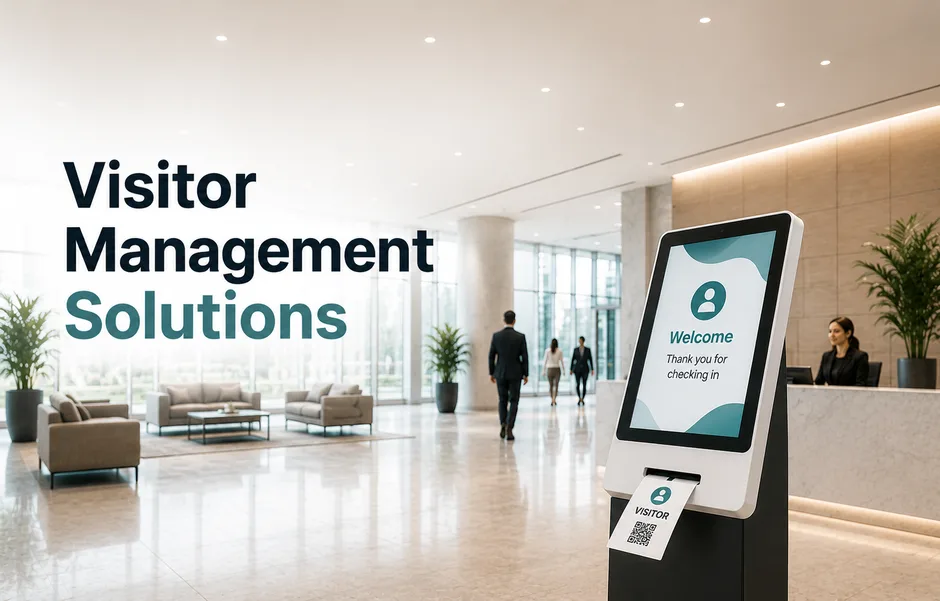
Paper logbooks, lobby spreadsheets, and isolated kiosks still exist in many enterprises. They work, but they do not think or scale.
As sites multiply and regulations tighten, gaps appear. Data privacy, weak audit trails, poor VIP handling, and inconsistent policies across branches create daily risk.
Leaders now look for a cloud based visitor management system that centralizes rules, automates compliance, and still respects local workflows. The right enterprise visitor management solution should cut manual effort, standardize security nationwide, and improve the visitor journey.
Next, we define visitor management itself, before mapping key industry challenges.
What Exactly Is a Visitor Management System?
A visitor management system uses tools and workflows to register, verify, track, and review non-employees entering your sites. In a cloud based visitor management system, this is digital, configurable, and policy driven.
Old paper sign-in sheets are:
- Often hard to read
- Easy to misplace or damage
- Difficult to search or analyze
Modern platforms offer:
- Self-service check-in
- Approval workflows
- Badges and controlled access
- Alerts and detailed reports
What this means for you: You move from manual tracking to an enterprise visitor management solution that is easier to scale and control.
How Does Traditional Visitor Management Fall Short?
Paper logs can expose visitor details to anyone at the desk. There is usually limited ID checking, live visibility, or reliable audit history.
This creates risk during audits and incidents, and weakens proof of who was on-site.
What Does a Modern Enterprise Visitor Journey Look Like?
- The host pre-registers the visitor.
- The visitor receives a digital invite.
- A lobby kiosk or tablet captures details.
- ID is verified, badge printed, and access applied.
- The host is alerted.
- The visitor checks out, closing the record.
What this means for you: You reduce visitor management challenges by industry, gain clear records, and have a simple model for how to choose a visitor management system that fits your sites.
What Visitor Management Challenges Do Different Industries Face?
Visitor management challenges by industry vary sharply. A cloud based visitor management system must respect different risk levels, rules, and visitor habits across nationwide sites.
How Do BFSI and Corporate Offices Balance Security with Hospitality?
Key needs:
- Strong ID checks aligned to KYC rules
- Blacklist control and audit-ready visitor logs
The problem is slow, cold reception if checks feel intrusive.
A modern Enterprise Visitor Management Solution centralizes policies, while each branch adapts questions, languages, and VIP handling.
Why Are Manufacturing Plants and Warehouses Different?
They must:
- Track contractors, drivers, and tools
- Capture safety briefings and digital inductions
High gate traffic and remote sites strain paper workflows.
Cloud workflows push safety templates, mobile check-in, and barrier integration from one central team.
What About Healthcare, Education, and Critical Infrastructure?
These sites juggle privacy, child safety, and strict zoning.
They rely on national ID checks and tamper-proof logs.
Why Move from Paper to a Digital Visitor Management System?
Paper logs work, but they do not think. They slow reception, hide errors, and fail when you scale nationwide. A cloud visitor system turns each lobby into a controlled, measurable entry point.
Old system vs. modern system:
- Paper: illegible names, shared sheets, no real audit trail
- Digital: clean records, role based access, instant search
How Does Digital Visitor Management Improve Security and Compliance?
Digital workflows verify IDs, apply watchlists, and route approvals by policy.
You see who entered, when, which host, and which zones.
Key checks:
- Verified identity and purpose
- Policy driven approvals
- Real time dashboards for security teams
Use platforms aligned with national data rules and global norms like GDPR and NDAA.
What Operational and Experience Gains Can You Expect?
You cut lobby queues, reception calls, and manual typing.
Visitors enjoy faster check-in, language choices, and private flows.
Results:
- Hosts get instant alerts
- Front desks focus on people, not paper
How Does Integration Turn Visitor Data into Decisions?
An enterprise visitor system linked with access control, time-attendance, video, and telecom lets you match logs with footage, route calls, and plan staffing.
Why Choose a Cloud-Based Visitor Management System for Nationwide Enterprises?
On-premise tools at each branch often create silos, uneven rules, and heavy IT work.
A cloud based visitor management system reduces this complexity for nationwide teams.
How Does Cloud Simplify Multi-Site Deployment and Control?
Central IT defines the standards once, then applies them across locations.
- Centralized policies: visitor types, approvals, retention, and identity checks
- Local tweaks: branch questions, regional languages, and custom workflows
- Flexible models: pure cloud, on-prem, or hybrid under one policy umbrella
What this means for you: one enterprise visitor management solution, with room for local needs.
What About Performance, Uptime, and Data Protection?
Lobbies and gates must stay available. Interruptions slow operations and hurt visitor experience. Focus on resilient devices, redundant networks, and reliable cloud regions.
Demand:
- Security by design and encryption in transit and at rest
- Role based access and detailed audit logs
- Alignment with national data laws and relevant industry standards
What this means for you: less risk, clearer control, and easier audits.
How Does Cloud Support Analytics and Continuous Improvement?
Cloud systems can combine visit data from many sites in one place.
You can compare branches, see trends over time, and spot basic bottlenecks.
Use these insights to refine staffing, lobby layouts, and access rules.
What this means for you: fewer visitor management challenges by industry, and a clearer path for how to choose a visitor management system.
How Should You Choose an Enterprise Visitor Management Solution?
What Evaluation Criteria Really Matter?
Many tools look similar, yet depth, integration, and reliability differ.
Use a neutral checklist across vendors.
Key factors:
- Tight links with access control, time-attendance, video, and telecom
- Flexible deployment for nationwide sites
- Simple UI, strong policy rules, and clear compliance posture
- End-to-end ownership of hardware and software to cut finger-pointing
What This Means for You: A Practical Shortlist
Ask every enterprise visitor management solution to meet this 5-point test:
- Security and compliance
- Integration depth
- Scalability
- User experience
- Support model
Prefer vendors who design for 24/7 use and support nationwide rollouts.
What’s Your Next Step Toward Smarter Visitor Management?
Visitor management has shifted from paper logs to a strategic, cloud based visitor management system that protects people, data, and brand trust nationwide.
Map your current gaps, align with compliance goals, then shortlist an enterprise visitor management solution before your next budgeting cycle to secure future-ready lobbies.
Conclusion
Modern visitor management has moved far beyond paper logs and isolated kiosks. Cloud platforms now centralize rules, automate checks, and give every site a consistent, auditable process. They help different industries balance security, compliance, and a smoother visitor journey, while cutting manual work at the front desk. Your most practical next step is clear. Map your current gaps, align them with compliance and experience goals, then shortlist an enterprise visitor management solution before your next budget cycle.
Frequently Asked Questions
Is a cloud-based visitor management system secure enough for regulated industries?
Yes, if designed correctly. Look for strong encryption in transit and at rest, role-based access, and multi-factor authentication. A good cloud based visitor management system also supports audit logs, data residency options, and alignment with national and global data protection standards.
How long does it take to roll out visitor management across multiple locations?
With a cloud based visitor management system, you avoid site-by-site server installs. Central configuration and reusable templates cut effort for each branch. Many enterprises move from pilot to nationwide deployment in a phased model over a short period.
Can a digital visitor management system work with our existing access control and CCTV?
Yes, most modern enterprise visitor management solutions integrate with access control and CCTV through APIs or standard protocols. This lets you issue temporary credentials, trigger door events, and link visitor records with camera footage.
What happens if the internet goes down at a site?
A robust cloud based visitor management system plans for outages. Visitor kiosks or panels can cache recent data and allow basic check-in and check-out locally. Once the connection returns, records sync back to the cloud.
How do we handle data privacy and retention for visitor records?
Choose a platform that lets you set retention periods by site or visitor type. The system should capture consent, show clear privacy notices, and allow masked visitor views at reception. Look for export and deletion tools to support data subject requests.