
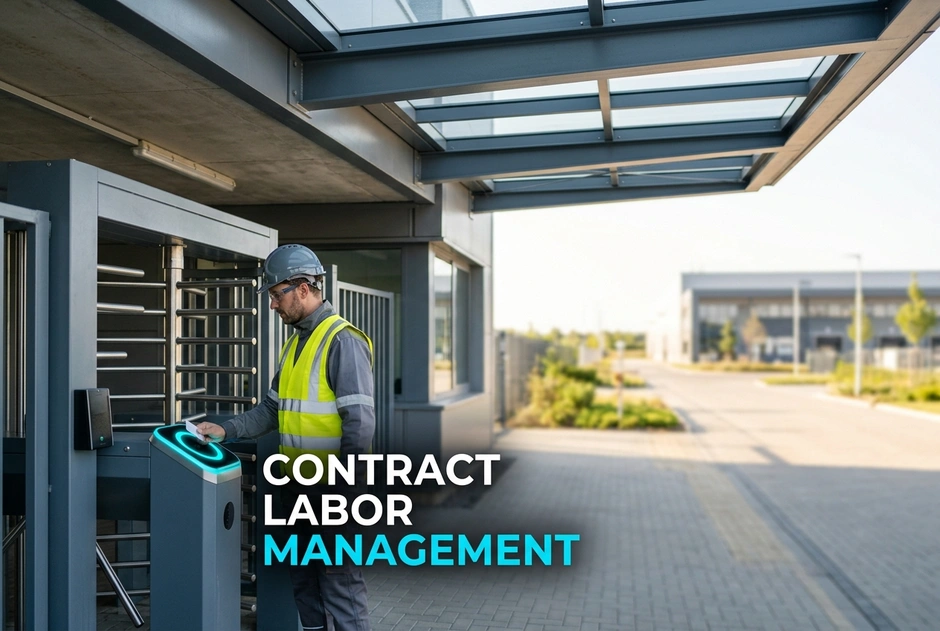
Managing thousands of outside workers on large sites creates huge blind spots. Relying on paper logs and spreadsheets makes tracking hard. Bad timekeeping leads to high labor costs, fines, and vendor disputes.
Heavy industry firms need modern solutions to keep operations running. An integrated contract labor attendance system tracks workers across many sites. This tech works with automated vendor billing verification to ensure clear records and easy audits.
You stop billing leaks, lower business risks, and build trust with partners. Let us look closely at the problems of manual tracking.
Why is managing contract labor at scale so difficult?
Managing outside workers is hard because data is spread across different contractor groups. Without a central contract labor attendance system, tracking thousands of workers is slow. Paper sheets and old systems allow buddy punching and unapproved overtime. When data is late, leaders cannot see who is on-site or what they did.
Regional rules also make national operations complex. For example, U.S. states have different rules for overtime, rest, and meal breaks. Using spreadsheets to manage these rules leads to human errors. Industrial firms need unified systems to track attendance and check skills. A complete solution links access control with vendor billing verification. This makes third-party workforce management more accurate across all sites.
How do manual processes create billing blind spots?
Relying on vendor spreadsheets makes it hard to spot billing errors. Without real-time tracking, supervisors only see overtime issues after the bill arrives. Disconnected data sources and lack of task details create major gaps. These gaps make it hard to check bills and resolve disputes quickly.
What are the regulatory compliance risks?
Poor tracking of hours and rest breaks leads to wage disputes. Without a central, secure audit trail, responding to inspections is hard. Using compliance audit software and automated tracking tools help standardize records. Next, we will see how automated tracking protects your workforce nationwide.
How do regional regulations impact overtime and compliance?
Operating nationwide in 2026 means dealing with complex local laws. Labor, wage, and safety rules differ by state and city. Managing these rules by hand increases the risk of wage errors, fines, and delays.
An integrated contract labor attendance system reduces these risks. It applies local rules at the gate and tracks hours across sites. This data helps with vendor billing verification by comparing hours to agreed terms.
How do state by state overtime rules differ?
- Strict Daily Thresholds: Some states have daily overtime limits and strict break rules. This forces managers to use real-time scheduling checks.
- More Flexible Environments: Other states use weekly overtime limits. Even so, precise tracking is needed to avoid underpayment risks.
Old manual systems often miss these local rules. Modern compliance audit software applies the correct rules for each site. This helps you handle wage reviews and avoid costly disputes.
How do safety and training requirements vary by region?
- Industry-Specific Credentials: Some zones require port, refinery, or mining credentials. Others focus on state rules for construction or confined spaces.
- Access Linked Compliance: Modern systems can link site access to training status. If a certification expires, the system blocks access.
Do not risk shutdowns or sudden audits. Combining biometric access control with regional policy tracking improves security. Next, we will see how automated tracking protects your budget.
What does an effective contract labor management system look like?
A good system connects physical security with operational HR. In heavy industries, it protects the site while tracking workers. It uses a strong contract labor attendance system to log entry and exit. This data goes to vendor billing verification to catch errors.
Reliability is vital for harsh industrial sites. Hardware and software must be built for continuous use. This reduces sudden outages and cuts downtime. Unlike generic security tools, a complete system handles complex shift rules. It tracks skills and manages compliance automatically. It acts as the single source of truth for all teams. Unifying these tools reduces risks and simplifies third-party workforce management. This keeps operations controlled and easy to scale.
Old System vs. Modern System
Old methods rely on split tools that cause blind spots and slow manual work.
- The legacy approach: Paper logs, split biometric readers, and manual Excel sheets raise risk and increase admin work.
- The modern approach: Unified biometric access control, automated rules, real-time dashboards, and payroll integration support safer operations.
This change moves your team from reactive firefighting to active control. You gain clear, real-time visibility over every contractor on site.
Why is end-to-end integration critical?
Basic hardware paired with generic software often fails under heavy industrial workloads.
- Eliminating friction: Choosing systems built for end-to-end integration supports long-term operations and easy upgrades.
- Global compliance: Your physical and digital tools must meet security rules and support changing regional laws.
Avoid piecemeal systems that cause integration headaches. A unified contract labor management platform centralizes access control, time capture, and compliance audit software. Next, we will see how this saves operational costs.
How can you automate vendor billing verification and prevent disputes?
Manual invoice checks cause admin friction and waste resources. Heavy industries often lose money from billing errors and unapproved overtime. You can reduce these disputes with a single source of truth.
Linking a contract labor attendance system with vendor contracts connects attendance records with billing terms. This aligns punch data with agreed work rates. These systems support automated vendor billing verification and improve site accountability. They help you compare billed hours with actual time on site.
How does real-time attendance data validate invoices?
Real-time attendance data reduces guesswork in vendor billing. The system compares gate logs with vendor invoices to highlight errors. This is very useful when daily overtime rules are complex.
- Automated checks: Compare billed hours with actual entry and exit events.
- Reducing overpayments: Flag late arrivals, early departures, or unapproved shifts for review.
This active check supports third-party workforce management across your firm. It also keeps operational costs predictable and easy to forecast.
What are the best practices for managing vendor SLAs?
Managing Service Level Agreements (SLAs) requires clear, consistent rules. This is vital when using multiple vendors and varied work patterns.
- Set contractor-specific rules: Set custom shifts, grace periods, and overtime rules for each vendor.
- Share consistent reporting: Send regular attendance and error reports to vendors before billing cycles close.
Stop relying on slow paper trails. Moving to modern compliance audit software lowers admin costs and reduces billing disputes. It supports contract labor management and strengthens vendor relationships over time.
Frequently Asked Questions
How does a contract labor attendance system prevent buddy punching?
A biometric contract labor attendance system prevents buddy punching by checking unique physical traits. This ensures only authorized workers log hours, securing accurate vendor billing verification.
Can compliance audit software handle union-specific overtime rules?
Yes, modern compliance audit software handles union-specific overtime rules. Managers can set complex scheduling rules directly in the contract labor management system.
Why is hardware reliability (MTBF) important for heavy industries?
Heavy industrial sites run continuously. Hardware with a high Mean Time Between Failures (MTBF) keeps your contract labor management system online. This prevents costly gate delays.
How does geo-fencing help manage multi-site construction projects?
Geo-fencing restricts mobile time tracking to precise geographic boundaries. It ensures workers are on-site before logging hours. This simplifies vendor billing verification across sites.
How Can You Secure Industrial Labor Operations?
An integrated contract labor attendance system protects your bottom line. Moving from manual tracking to automation ensures smooth operations. It simplifies vendor billing verification and reduces wage risks.
- What This Means for You: Modernizing your manual tracking protects your profits, safety, and compliance.
- Next Steps: Consult a Matrix advisor today to see how our high-reliability solutions can secure your operations.
Conclusion
Managing a large third-party workforce manually creates huge operational blind spots. Paper logs and spreadsheets lead to costly billing leaks and compliance risks. To protect your profits, you must modernize your contract labor management system.
Deploying an integrated contract labor attendance system secures your industrial sites. This technology automates vendor billing verification and enforces regional rules. Using compliance audit software protects your business from expensive wage lawsuits. It ensures clear financial records and easy audits.
Do not let manual errors drain your project budgets. Your next step is to consult a Matrix advisor today. We will help you see how our high-reliability solutions can secure your operations.