Modern factories face three big risks. These are fence breaches, unverified contract workers, and strict rule audits. Handling these risks with split systems creates blind spots. For example, video, badge events, and worker records often sit in other tools. Gate teams then struggle to know who is on the shop floor. This gap weakens plant security. It also leaves companies open to fines during state inspections.
Moving to a single platform solves this problem. An integrated contract labor attendance system links gate access to worker records. This setup ensures that only approved and checked-in people enter high-risk or restricted zones.
How does this approach compare to traditional setups?
- Old System: Split camera networks, card readers, and spreadsheets that rarely share data.
- Modern System: A Coordinated setup that connects video, plant gate locks, and workforce or HR information.
Many old systems only record video or control basic doors. A better approach combines identity checks, access rights, and audit trails in one place. This is very important for meeting complex local rules. For example, factories must follow card data security and privacy rules. They must also get worker consent while tracking people on site. A good platform supports role-based access, clear consent flows, and data-limiting rules to meet these rules.
Integrated systems also support care programs like lockout and tagout processes. You can link care checklists to local door controllers. This blocks untrained workers from entering high-risk areas until they meet all conditions.
In the end, you get secure gates and simpler audits. You do not have to manage many siloed tools. It works, and it helps your systems think together.
Let us look at how to build this link for a smooth transition to better plant security.
How Do You Secure the Perimeter of a Modern Manufacturing Facility?
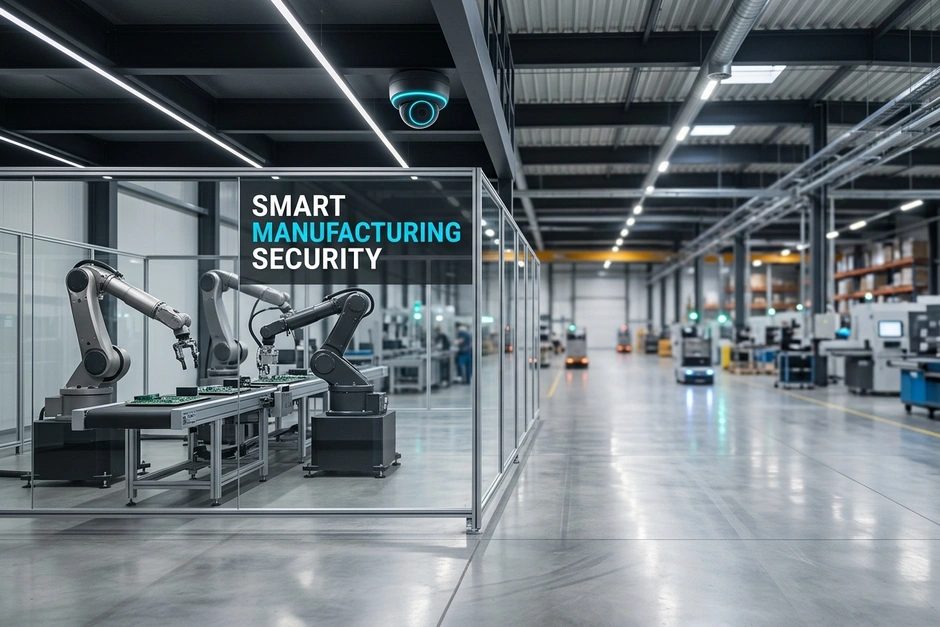
Improving plant security means moving from simple logging to auto threat detection. Old systems only store video for later review. Modern setups use smart gate monitoring to watch weak access points in real time. Linking high-performance IP cameras with auto local barriers helps detect suspicious activity quickly. This allows faster decisions when a breach occurs near the fence. This coordinated approach protects key assets and keeps work running smoothly.
Why is unified video surveillance critical at the gate?
Linking IP cameras with license plate recognition boosts control at vehicle gates. Real-time video and data checks help reduce cargo theft and tailgating.
- Earlier Approach: Basic logging with limited real-time alerts.
- Modern Approach: Enhanced monitoring with auto checks at the gate.
How do you enforce factory access control without slowing down shifts?
Using fast card and RFID-based plant gate locks at turnstiles balances strong identity checks with quick worker movement. This setup integrates with a temp worker time log to check temp passes in seconds.
- Scan card or RFID credentials.
- Match details with local records.
- Grant or deny access based on rules.
A single view of access and video strengthens your fence. It also keeps work moving. Next, we look at how auto site compliance completes this protective loop.
How Can You Streamline Your Contract Labor Attendance System?
Handling hundreds of temporary workers across many shifts is a major headache for plant security. Improving your contract worker time tracker works best when plant gate locks link to your time tracking software. When both systems use the same data, you can track labor hours accurately. You also support gate security at the same time.
What are the risks of manual contractor tracking?
Manual logbooks and buddy punching lead to higher labor costs and compliance gaps. Guards cannot easily check temp passes or care certificates at the gate. This increases site risks.
- Old System: Paper logs make it easier for rogue entry and billing errors.
- Modern System: Card-based verification helps ensure only approved workers enter.
How do you integrate shift based access rules with attendance?
You can automate access windows with three simple steps:
- Define scheduled shift times in the time software.
- Restrict gate access outside these designated windows using access rules.
- Sync real-time data with your payroll or ERP system.
This auto sync cuts billing errors. It also simplifies vendor audits and cuts desk work.
A well-integrated contract worker time tracker replaces manual errors with auto controls. You gain better visibility, stronger compliance, and more reliable security across your manufacturing plants.
How Do You Automate Safety Compliance Across Different States?
Handling policy compliance across other states is hard because local rules vary. Modern plant security systems solve this problem. They turn local hardware into active policy enforcers. Instead of just logging incidents after they happen, smart gates actively block unsafe entry. By linking your temp worker time log with local barriers, you ensure only qualified workers enter hazardous zones. This auto approach removes human error and lowers liability. It also maintains constant audit status across all locations. The system actively thinks rather than just logging data. For large operators, this central control guarantees local compliance at every gate, regardless of state lines. Next, we will look at how this applies to federal rules and state data rules.
What compliance data and statistics show the value of integrating?
Look at the data from modern factories:
- Reports show that implementing manufacturing facility security systems reduces local breaches by 35%.
- Studies show that a contract labor attendance system improves shift billing accuracy by 40%.
- Surveys indicate that the factory access control link improves audit status by 50%.
What Should You Look For in an Enterprise Security Platform?
Choosing the right enterprise platform is critical for modern plant security. Fragmented systems create blind spots, raise maintenance work, and complicate audits. To reduce these site risks, leaders should focus on scalable, interoperable systems. These systems must work with many vendors and tools. Flexible platforms help you expand coverage, add sites, and adopt new technology easily.
When evaluating upgrades, use this strategic checklist:
- Favor platforms that support open standards and documented interfaces.
- Choose systems that combine video with a temp worker time log.
- Confirm linking options with existing ERP or HR software.
This approach supports long-term flexibility. It helps control future costs and speeds daily work. It protects your gates while automating workforce compliance across all locations. This Unified strategy creates a single, consistent view for your security, HR, and care teams.
Why is an integrated stack superior to stitched-together point solutions?
A Unified platform combines video, plant gate locks, and logs in one coordinated stack. In contrast, stitched systems often need custom connectors and frequent manual checks. That increases linking friction, cyber risks, and maintenance work over time. An Integrated technology stack reduces the number of moving parts and vendors you must manage. It helps standardize policies and speeds up threat response. What This Means for You: An Integrated setup eases management, helps visibility, and lowers overall site work.
How do hardware reliability and global compliance protect your investment?
Plant environments demand robust hardware designed for continuous use. Devices should be tested for harsh conditions like dust, vibration, and temperature swings. Platforms must also apply cybersecurity best practices from design to deployment. Meeting relevant rules, such as data protection and plant care rules, helps reduce legal and site risk. What This Means for You: Choosing reliable, compliant hardware and software strengthens your security posture. It also supports consistent work across all facilities. Next, we explore local barrier links in detail.
How Do You Unify Your Manufacturing Security and Compliance?
Securing your gates, tracking temp workers, and ensuring care are not split tasks. They represent three vital pillars of a single work strategy for modern plants. Handling them in isolation creates blind spots and compliance risks.
Old System vs. Modern System
- Old: Siloed cameras, manual paper logs, and completely siloed software files.
- Modern: An Integrated platform linking plant security with your temp worker time log.
A Unified approach cuts desk work, prevents unauthorized gate access, and ensures immediate regulatory compliance. It transforms security from a reactive cost center into a proactive work asset.
Are you ready to eliminate work gaps? We invite you to consult with an enterprise security expert to assess your plant’s current linking readiness. Matrix Comsec provides tailored, on-premises and hybrid platforms. These systems unify your plant gate locks, work hours, and video surveillance under one cohesive ecosystem.
Conclusion
Modern industrial plants cannot afford siloed systems. Unifying your plant security, temp worker time log, and plant gate locks eliminates blind spots. A single, Integrated platform secures your gates and automates policy compliance. It also reduces administrative work and ensures constant audit status. Instead of handling siloed files, you get a proactive work asset. This approach protects your real assets and keeps your workforce secure.
Are you ready to eliminate work gaps? The most practical next step is to consult with an enterprise security expert. They can assess your facility’s linking readiness and help you transition to a Unified ecosystem.
Frequently Asked Questions
Can a temp worker time log integrate with our existing ERP?
Yes. Modern platforms use open APIs to connect directly with your ERP and HRMS files. This link automates payroll processing and eases labor compliance. It ensures that your plant security records remain updated in real time without manual data entry.
How do plant gate locks improve urgent evacuation safety?
Linking plant gate locks readers to crisis muster software boosts care. During emergencies, wardens can instantly generate real-time roll-call reports. These reports show exactly who is on-site. This helps first responders locate missing employees and contract workers quickly.
What happens to tracking if the network goes down?
Smart manufacturing plants rely on edge storage for securing the gates. Enterprise-grade controllers feature offline processing capabilities to keep doors secure during network outages. The hardware caches all gate events locally. It automatically syncs the data once connectivity is restored.