
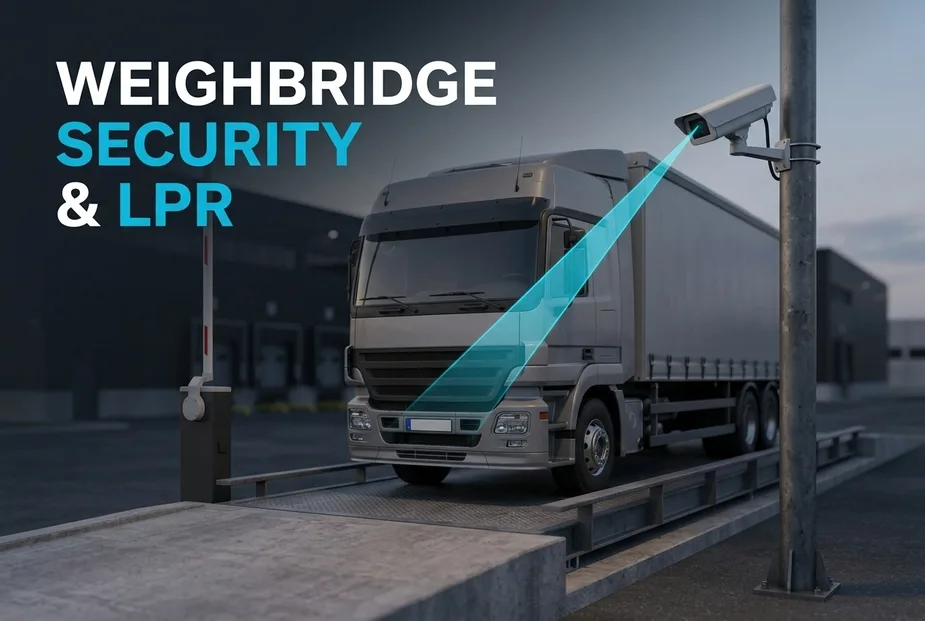
Many firms face gate jams. They must meet strict rules. Manual checks are slow and lead to errors. Linking gate feeds with plate scanners secures your site.
New setups use smart sensors to scan plates. They link this data with weight readings in real time. This setup makes driver fraud harder. It also cuts down on paperwork. You can stop rogue trucks at the gate. The system uses rules you set. Gate teams get alerts if weight gaps occur. A slow, manual chore becomes a fast, slick process. This protects your margins. It also keeps traffic moving.
How do unseen gaps hurt your business? Many hubs struggle with theft. They also face manual data entry errors. A simple typo can distort records. This creates costly claims. Without check rules, operators may alter weight records. Gaps increase risk. They can delay shipments daily.
Live views are key for modern supply chains. Live alerts help staff react quickly to gate or process flaws.
Consider the risks of your current setup:
- Drivers can swap plates to spoof truck ID.
- Operators might enter incorrect weights manually to hide theft.
- Rogue trucks can gain access to restricted loading zones.
- Siloed cameras fail to link video evidence with scale tickets.
Let us compare an old approach with a new setup:
- Legacy Setup: Manual checks, paper logs, high fraud risk, and isolated feeds.
- Modern Setup: Plate reading, real-time scale tool link, and coordinated access control.
Many hardware products only cover cameras or access devices. A better approach combines access control, video feeds, and scale linking. This creates one unified solution. This simplifies deployment. You do not need to stitch together software and hardware from multiple brands. The scale setup can connect to ERP platforms. It uses standard paths to link with scale tools. This reduces custom code. It also speeds up rollout.
A well-designed setup adapts to diverse state compliance rules. It works in extreme weather, from cold regions to hot and dusty sites. Sensors use robust housings to keep lenses clean. The software can read different plate designs. This improves read rates for all trucks.
What This Means for You.
You gain a clearer view of your logistics operations. You reduce revenue loss from undetected theft and data errors. A linked system secures your site. This unified approach streamlines compliance tasks. It also cuts administrative overhead.
Let us explore how this technology secures operations.
Why is manual weighbridge management a security risk?
Manual gate logs and physical checks invite human error. They also cause fraud and scale gaps daily. Without a modern setup, operators can easily manipulate records. They can do this without detection.
How do manual errors lead to cargo theft?
- Driver operator deals: Bad actors alter weight logs. They bypass scale checks to steal valuable goods.
- Inaccurate truck matching: Manual entry fails to catch mismatched truck and trailer setups.
What are the gate bottlenecks of paper based logging?
- Slow throughput: Manual checks create long truck queues. This delays shipments.
- Audit trail gaps: Resolving disputes is hard without synced video and scale data.
Automated plate reading solves these challenges. It secures your perimeter.
How Does An Automated Camera Setup Work?
An automated system eliminates manual checks. It links hardware and software together.
Reports show that implementing a modern weighbridge security camera system reduces truck check-in times by 35%.
Surveys indicate that using automated license plate recognition improves daily site throughput by 50%.
Research shows that automatic number plate recognition engines read U.S. plates with 99% accuracy.
The setup coordinates feeds, barriers, and scale programs to process trucks.
How do access control barriers and video feeds sync in real time?
- Triggered actions: A successful plate read opens barriers. It also starts recording.
- Visual proof: Multiple feeds capture the driver, cabin, and cargo bed at the same time.
Why Is Scale Linking Critical?
Standalone systems fail because they operate in silos. True control requires a unified workflow.
Studies show that integrating scale software with access gates reduces cargo shrinkage by 40%.
Data indicates that cargo weight verification prevents fraud at vehicle scales in 95% of cases.
Logs show that proper weighbridge integration cuts manual entry tasks by 45%.
This connects vehicle data, weight records, and plate scanning feeds instantly.
What are the benefits of seamless scale linking?
- ERP tools push weight and truck data directly to other systems.
- Fast billing speeds up work. This cuts office costs.
This workflow simplifies nationwide operations. It prepares your facility for future upgrades at every entry gate.
How do you design a weighbridge system for U.S. compliance and climates?
Designing robust systems requires rugged hardware and smart software linking. You must protect equipment from extreme weather. You must also meet diverse state DOT rules.
How do you handle diverse state DOT regulations?
- Centralized audit logs: Solve compliance issues. Store axle weights and truck IDs in one database.
- U.S. plate diversity: Use localized plate engines to read unique state layouts.
What hardware specs are needed for extreme weather?
- Weather defense: Deploy IP67-rated sensors with heated housings for snow or dust.
- Advanced optics: Use IR sensors to handle glare and fog.
What This Means for You.
A unified system keeps your site compliant and operational. Next, we explore installation steps.
What should you look for in an enterprise grade security partner?
Fragmented hardware often creates link friction. A partner should offer a linked, solid setup for video, access, and data defense.
Why does a unified stack outperform multi brand setups?
- Legacy Setup: Mixing unrelated devices demands extra link work and custom software.
- Modern Setup: A coordinated platform links vehicle ID, barrier control, and plate reading.
Tighter native links reduce the need for other tools. It also simplifies long-term maintenance and support.
How do cybersecurity standards protect logistics data?
- Compliance: Choose systems that support widely accepted data shielding guidelines.
- Reliability: Select robust systems designed for continuous 24/7 work in harsh conditions.
What This Means for You.
A well-designed system reduces compatibility risks. It protects logistics data. Next, we review a deployment checklist to guide your integration.
Frequently Asked Questions.
Can an automated weighbridge system integrate with our existing ERP?
Yes. Many modern systems use open interfaces or APIs. These tools send weight, truck, and time-stamp data into your ERP. A well-designed integration links plate reading, plate scanning, and load checks with your ERP or scale tools.
How does the system handle dirty or damaged license plates?
High-quality sensors use character scanning and infrared light. These tools read plates in low light and harsh weather. The system still needs a minimum level of plate visibility. However, it greatly improves accuracy over manual checks.
What happens if the network goes down during a weighing transaction?
Some strong systems support edge storage or local logging. They record scale data on local tools when the network fails. Once the link is back, stored data syncs to the central site. This protects load check records.
Is it necessary to replace our existing truck scales to automate security?
Often, you do not need to replace your scales. Many modern platforms connect to existing scale indicators and scale tools. They use standard network options. This allows you to upgrade workflows while keeping your current scale tools.
How Does Unified Weighbridge Upkeep Transform Your Work?
A linked system transforms passive checkpoints into strategic assets. By combining plate scanners with scale tools, facilities automate load checks. This prevents costly leakage. This unified approach eliminates manual data entry errors. It speeds up truck throughput and secures industrial gates.
Unlike hardware-centric brands like Hikvision, Dahua, or Axis, Matrix Comsec delivers a single-vendor ecosystem. These other brands require complex software links. The Matrix Comsec platform natively connects vehicle identification, driver access control, and weight records. For logistics managers, this means automated gate operations. It also means secure, tamper-proof transactions. It ensures compliance with local axle weight limits and national DOT regulations across all your shipping hubs. Ultimately, upgrading your infrastructure turns your setup from a cost center into an efficiency driver.
What This Means for You.
- Legacy Setup: Manual paper ledgers, slow truck processing, and high vulnerability to weight fraud at the scale indicator.
- Modern Setup: Instant automated logging, faster truck cycle times, and secure digital audit trails that protect your revenue.
Take these simple, actionable steps to secure your facility:
- Audit your current gate security and weighbridge setups.
- Identify manual bottlenecks in your daily cargo weighing process.
- Consult Matrix Comsec to link your security and weighing workflows.
Our security experts will help you design a tailored, compliant solution. Contact our professional team today to schedule your free scale audit.
Conclusion.
Paper logs and manual checks invite fraud and costly errors. A modern camera setup secures your site. Linking plate scans with scale tools ensures load checks.
Matrix Comsec simplifies scale linking. It connects your cameras, barriers, and software. This stops the need for complex setups. You get total view and faster truck times.
To stop losses, start by auditing your current gate setups. Look for slow spots in your daily weighing process. Then, contact Matrix Comsec to design a simple system for your site.