
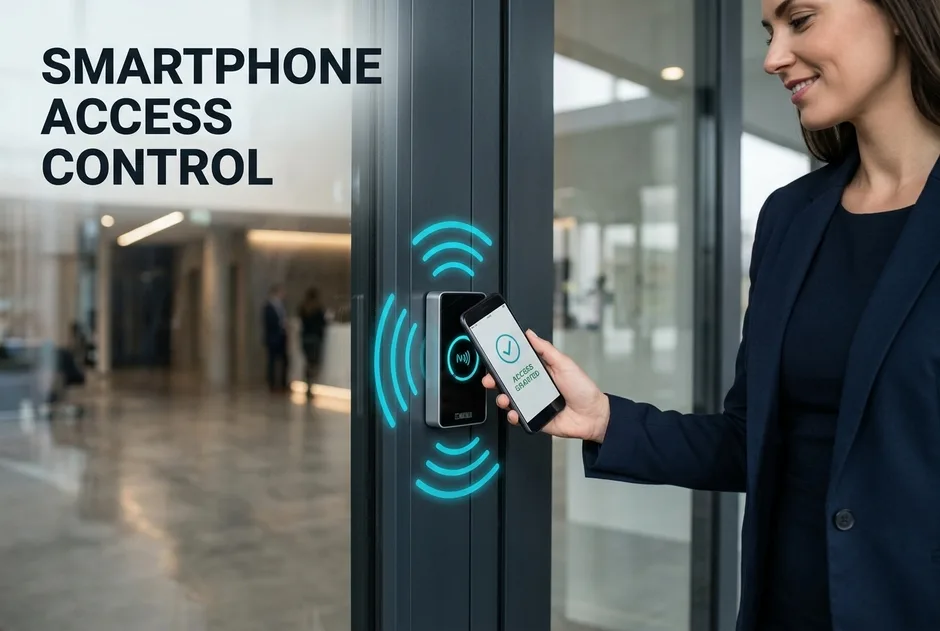
Physical RFID badges can hold your enterprise back. They are often lost, cloned, or stolen. For nationwide firms, managing thousands of plastic cards creates constant work. It also creates security risks. Each lost card requires manual deactivation and physical replacement. This process wastes IT and security time. It can also leave short security gaps.
Employees already use their phones for payments and transit. Forcing them to carry plastic badges feels outdated. Transitioning to a smartphone access control system solves these issues. By using secure BLE credentials, firms can issue or revoke access almost instantly. This change reduces card costs and simplifies multi-site management.
Consider the scale of a nationwide retail or logistics network. Managing access across many offices and remote facilities is complex. IT teams spend hours printing badges, mailing replacements, and auditing permissions. This drain slows down operations. It also distracts from strategic work. Meanwhile, cloned RFID cards can let unauthorized people inside. The old way works, but it is not smart.
- Old System: High card replacement costs, higher risk from lost or copied badges, and slow manual credential setup.
- Modern System: Over-the-air credential updates, encrypted smartphone communication, and centralized control across all nationwide locations.
Some setups mix separate tools from many vendors. In contrast, unified platforms bring these layers together. A single system can support access control, video monitoring, and IP-based communication. This approach enables seamless contactless enterprise entry. It also reduces the need to manage multiple vendors. A secure design can simplify setup and lower long-term costs.
What This Means for You:
You can reduce operational costs and secure your facilities with a single, scalable platform. Transitioning to mobile credentials simplifies compliance. It also improves audit trails and enhances the daily employee experience.
In the next section, we will examine the specific communication technologies making this shift possible. We will compare the unique strengths of BLE, NFC, and QR codes. This will help you choose the right path forward for your growing business.
Why Is Legacy RFID Failing the Modern Nationwide Enterprise?
Legacy RFID systems fail nationwide enterprises. They cannot secure distributed sites or support hybrid workforces. Standard 125 kHz RFID cards lack encryption. Intruders can clone them in seconds with cheap online tools. This vulnerability forces a shift to secure mobile access control. By adopting BLE credentials, firms protect multi-site operations from physical breaches. Physical cards also lack flexibility. They do not support dynamic scheduling or contractor access well. When badges are shared or lost, security teams do not know who is inside. Nationwide enterprises require a modern, centralized solution. It must update permissions instantly across all offices. Transitioning to smartphone-based credentials eliminates these security gaps. It also simplifies daily operations for everyone. This ensures safety across the entire firm.
What Are the Hidden Security Risks of Physical Badges?
- Credential sharing: Employees pass physical cards to others, bypassing critical security audit trails.
- Delayed revocation: Lost cards go unreported for days, risking unauthorized entry.
How Does Physical Credential Management Drain IT Resources?
- Replacement costs: Shipping physical badges to remote offices creates constant overhead.
- Manual provisioning: IT and HR teams waste hours manually enrolling users and managing inventory.
How Do BLE, NFC, and QR Credentials Compare?
Choosing the right mobile access control technology depends on your needs. You must consider throughput, range, and user experience. Modern contactless enterprise entry often relies on three main options:
- BLE credentials for long-range, hands-free convenience.
- NFC for fast, secure tap-to-enter access.
- QR codes for instant, temporary visitor permissions.
When Should You Deploy BLE Credentials for Long-Range Access?
BLE lets users unlock doors from a distance. This works well for parking garages and barrier-free entry. Many smartphone access control system setups allow tuning of signal strength. This helps reduce accidental unlocks from adjacent rooms or crowded hallways.
Why Are NFC and QR Codes Better for High-Throughput or Visitor Entry?
NFC offers a familiar tap-to-enter flow. It is similar to mobile payments and supports fast turnstile throughput. Dynamic QR codes can be sent over the air to guests or contractors. They are well suited for time-bound or one-time access.
What This Means for You
Using a mix of BLE, NFC, and QR can simplify daily operations. A unified approach cuts plastic card use. It also speeds onboarding and supports remote credential management. This helps your business scale new sites while keeping policies consistent. Next, we will explore how to transition from legacy readers without disrupting daily workflows.
What Are the Strategic Business Outcomes of Mobile Migration?
Legacy card systems can be costly and hard to manage at scale. Lost or stolen physical badges weaken security and increase risk. At the same time, handling physical cards ties access control to on-site hardware. Migrating to a smartphone access control system delivers strategic business outcomes. These benefits go far beyond simple convenience. The shift helps align security with broader corporate goals. These goals include lower costs, regulatory compliance, and a better employee experience. This unified approach helps nationwide enterprises modernize security in a phased and controlled way.
How Does Mobile Access Lower the Total Cost of Ownership?
Old physical systems rely heavily on plastic cards and local printing. Modern systems use BLE credentials and cloud-based tools.
- Reduced physical inventory needs: You buy, print, and replace fewer plastic badges. This cuts your ongoing costs over time.
- Over-the-air provisioning: Admins issue or revoke access through a central platform. This allows faster updates and cuts down on in-person card handovers.
How Does Smartphone Access Support Compliance and Multi-Site Operations?
- Real-time event logs: Many modern platforms record access events as they happen. This helps you meet audit needs for security and privacy rules.
- Centralized multi-site management: Security teams can manage permissions across many offices from a single dashboard.
What This Means for You
A well-designed mobile access platform can unify access, monitoring, and administration. This reduces system sprawl. It also simplifies licensing to help lower total costs. Next, we explore transitioning smoothly from legacy readers without disrupting daily operations.
How Should Enterprises Transition Without Replacing Legacy Hardware?
Upgrading security often raises concerns about cost and downtime. Replacing every reader at once can disrupt daily work and strain budgets. A phased migration offers a practical path. It supports a smooth, secure shift to a modern smartphone access control system. This system uses mobile access control and BLE credentials. Large enterprises should favor open, standards-based designs. These designs can connect with existing security systems and protect current investments.
What Does a Phased Hybrid Migration Look Like?
Old approaches often forced risky, instant replacement of core systems. Modern platforms support a gradual, controlled, and more secure rollout.
- Deploy smart hybrid readers that support both legacy RFID and BLE credentials.
- Move departments or specific sites in stages to reduce daily disruption.
Why Is an End to End Unified Platform Critical for Long Term Reliability?
Fragmented solutions increase integration work, support overhead, and long-term risk. A unified platform simplifies design and daily operations.
- Native integration: Monitor and manage access, video, and communication tools from one console.
- High availability: Choose hardware and software designed for redundancy and rapid failover.
What This Means for You
A unified, mobile-ready platform with hybrid readers lets you protect legacy hardware. You can still move to contactless enterprise entry. You gain better control, lower risk, and a smoother upgrade path across all your locations. Start planning a phased transition that fits your current systems and future growth.
Frequently Asked Questions
How secure are BLE and NFC credentials compared to traditional RFID cards?
Mobile and BLE credentials are far more secure than traditional RFID cards. They use advanced cryptographic standards like AES encryption to prevent cloning. Users can also require biometric scans on their smartphone before granting access. This extra layer makes unauthorized credential sharing nearly impossible.
Do we need to replace all of our existing door controllers to support mobile access?
You do not need to replace your entire hardware setup. Enterprises can deploy multi-technology readers that support both legacy RFID and mobile credentials. This allows you to transition to smartphone access control systems gradually. This protects your existing infrastructure investments.
How does mobile access control simplify visitor management?
Mobile access control simplifies visitor management by eliminating physical badges. Administrators can generate temporary, time-bound QR codes and email them to guests. Visitors use their smartphones for contactless enterprise entry. The unified security system automatically revokes access once their visit ends.
Why is Now the Time to Modernize Your Enterprise Access?
Traditional physical RFID badges create dangerous security gaps and high administrative costs. Transitioning to mobile access control solves this issue. Implementing secure BLE credentials eliminates physical card management. It also prepares your enterprise for future scale.
Old System vs. Modern System:
- Old: High replacement fees, weak security, and manual tracking.
- Modern: Instant credential provisioning, military-grade encryption, and unified cloud management.
What This Means for You:
You can simplify operations and lower your total cost of ownership. Unlike HID Global, Matrix Comsec avoids layered licensing. We offer a unified, end-to-end platform combining access control, IP video, and telecom. This eliminates the need for complex third-party hardware. It also removes layered software licenses and multiple external vendors across your organization.
Ready to take the next step? To secure your facilities and protect sensitive data, consult with our expert security advisors today. We will help you see how an integrated, enterprise-grade security platform can modernize your entire physical access system across your locations.
Conclusion
Legacy RFID badges hurt your firm. They bring security risks and high card costs. Switching to a smartphone access control system solves these gaps. By using secure BLE and NFC credentials, you can remove physical badges. This change lowers costs and makes site management easy.
Unlike complex platforms, Matrix Comsec offers a unified system. We combine access, video, and telecom in one system. This avoids layered licensing and makes setup simple.
Your best next step is to update your entry systems. Consult with our security experts today. We will help you plan a smooth shift to secure your sites.