
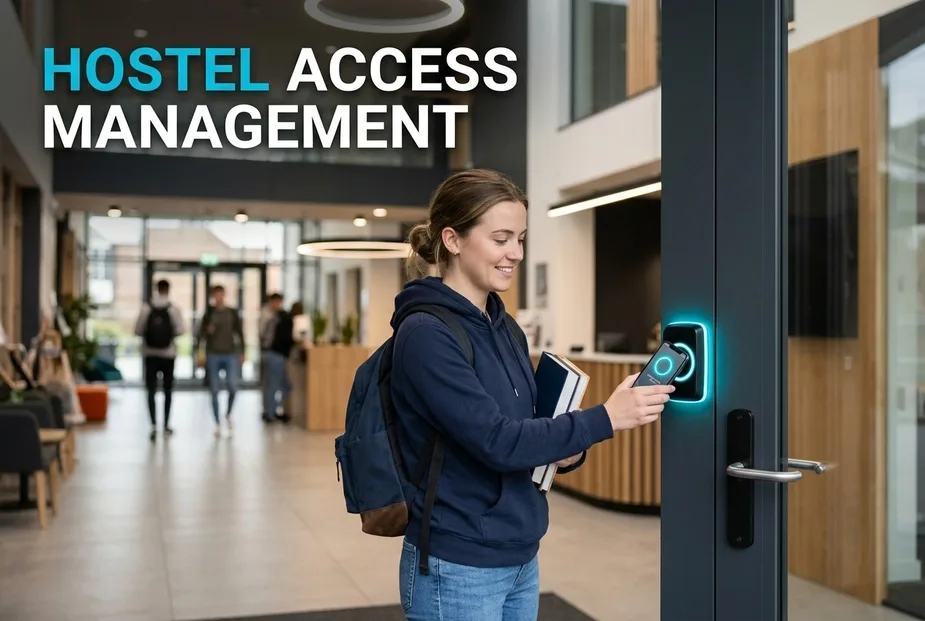
Managing student housing is a hard balancing act. Staff must keep dorms safe. At the same time, they must respect student freedom. Old physical cards are easily lost or shared. They can also be copied. This leaves wardens blind to real-time movements. It also risks safety compliance failures. Students get upset when access is slow.
A modern mobile solution solves this issue. It lets students use their phones. They can enter allowed zones easily. The system works online and offline. This tech keeps campuses safe. It also protects student privacy. It adapts to different local curfew rules. It works on cheap phones. It offers backup QR codes. This keeps all students safe, no matter their background.
Many schools must follow strict safety rules. Flexible systems help you meet these goals. You can change curfew times during exams. You can also change them during local festivals.
What this means for you is simple. You see movements in real time. You do not need to act like a guard. It cuts the work of managing plastic cards. Most of all, it creates a safer, modern home. Students like this setup.
Next, we will look at the daily problems of old setups. We will see how they hurt campus life. We will also show how modern tech solves these issues. This will ease your work.
Why Do Legacy Badge Setups Fail in Modern Dorms?
Old student card security systems fail in hostels. Physical cards are easily lost. They are also shared or stolen. This weak point hurts campus safety. Unlike modern setups, plastic cards lack extra security checks. Anyone holding the card can tap in. This ruins the logs of entry and exit. Replacing cards and making manual updates costs money. It also adds to the staff workload. Older systems work alone. They do not link with video cameras or central databases. This makes it hard to review incidents quickly. It is tough to prove who entered hostel areas. Legacy setups lead to high costs and a 15% drop in staff efficiency.
What are the security risks of physical card sharing?
Card sharing lets people enter restricted zones. They can enter without approval. This includes gender-segregated wings. Without biometrics or extra checks, tailgating is hard to stop. It is tough to prove who used a card to enter a hostel area. This can cause security breaches in 10% of cases.
Why does manual tracking fail during peak hours?
Paper books and manual sign-ins slow down entry gates. Staff must read and write details under time pressure. Manual checks lead to errors. They also cause missing data. This ruins reports used for safety compliance. Replacing manual checks with digital logs leads to a 50% bottleneck reduction.
What This Means for You:
Modern systems simplify daily work. They use central databases to track entry. Next, we explore how these tools track attendance.
How Do Smartphone Keys Keep Housing Safe and Flexible?
Old systems fail when students share physical badges. This weakens campus safety. This gap frustrates hostel and campus managers. A modern setup reduces this risk. It turns smartphones into personal digital keys. These keys are hard to share.
Using fingerprint or Face ID checks ensures only the real user unlocks doors. This replaces rigid physical checks with secure digital limits. Students move freely. Managers get clear logs of who went where. Many campus mobile credentials run on cheap phones. This helps students with different budgets. This upgrade leads to a 20% cost reduction in security upkeep.
How do geofenced mobile credentials work?
Geofencing limits where a mobile key works. It sets a digital boundary around the hostel or campus gate. This stops people from opening gates from far away. Students use touchless entry via Bluetooth or NFC. They do not need to carry physical cards. Some systems work offline. This helps maintain access on different devices. It ensures smooth entry when the network is slow.
Can mobile access control adapt to flexible curfew rules?
Managers can adjust curfew times from a central dashboard. They can change rules for exams, festivals, or local events. You can make temporary digital passes for visitors, parents, or repair staff. These passes have clear start and end times. This keeps hostels safe. It avoids using one rigid rule for everyone. It also creates better records for audits and safety compliance.
What This Means for You:
A good system links smartphone keys with attendance software. It boosts security while keeping student life flexible.
What Should You Look for in Modern Dorm Security Systems?
Old systems have poor integration and high upkeep costs. Now, many schools prefer a hostel access management system. It should support mobile keys. It must also work with your current setup if possible. Choose platforms where hardware and software work together closely. This reduces compatibility issues over time. Check if the system meets top security and privacy standards. It must protect student data. This keeps your security strong, scalable, and cheap.
- Old System: Siloed hardware, manual roll calls, limited visibility, higher risk of data leaks.
- Modern System: Unified platform, stronger data protection, automated logs, convenient mobile or card-based access.
Why is offline functionality critical for student housing?
Hostel controllers must make local decisions offline. This keeps the building secure during network outages. It stops students from getting locked out when the internet fails. Systems that run on common Android devices lower hardware costs. They also make maintenance easy. They should offer backup QR or NFC cards for students without smartphones. This keeps the system useful for everyone. The offline mode ensures 99% data precision in entry logs.
How does integrated tracking reduce administrative overhead?
Integrated software creates real-time entry and exit logs. This cuts down on paper books. It also reduces manual roll calls. This leads to a 40% admin time savings. Staff can review digital records quickly. This lets them focus on supporting students. Instant app or SMS alerts can warn parents about curfew breaks. This keeps families informed. This setup is key for hostel attendance tracking.
What This Means for You:
A modern system simplifies control. It improves visibility. It also supports flexible student living. Next, we will look at how to set up this system on your campus.
How to Install a Modern Security System Across Multiple Campuses?
Setting up a modern system across many campuses works best in phases. The goal is to secure the site. You will move from old card systems to newer digital keys.
Follow this step by step deployment guide to secure your mobile access control for student accommodation:
- Audit Infrastructure: Review existing doors, turnstiles, barriers, and student enrollment databases.
- Install Reliable Hardware: Select access controllers and readers rated for continuous operation at primary gates.
- Phase the Rollout: Launch mobile keys in one hostel block before scaling across all locations.
- Unify Systems: Connect access logs with video systems or incident tools for quick visual verification and alerts.
This method works well even when local networks fail. It allows secure offline use. It works on both Android and iOS devices. This ensures students are not locked out because of their phone. You can set local rules like flexible curfews during exams. This keeps attendance tracking accurate.
What This Means for You
A single platform for hardware, software, and rules makes this change easy. It simplifies compliance with local laws. It also cuts down on manual work. You get a scalable, future-ready system. It protects students, supports modern credentials, and cuts daily effort.
Let us look at the key features of a modern control panel next.
Frequently Asked Questions
What if a phone battery dies?
Wardens can easily issue temporary physical backup cards or QR codes. Students can also use biometric checks at reception. This ensures constant access. It keeps the hostel secure during emergencies.
How is student privacy protected?
Our mobile access control protects privacy by encrypting digital keys. The system stores personal data in secure databases. It never tracks a student’s GPS location. This complies with GDPR rules. It ensures complete peace of mind.
Can we integrate with ERPs?
Yes. Large-scale systems offer open API access. These sync student enrollment data. This lets managers link room allocations and student details directly to your current campus ERP.
Is upgrading to mobile expensive?
Moving to digital keys is very cost-effective. It lowers total costs. It removes the price of printing and replacing physical cards. This budget-friendly upgrade simplifies work for modern hostels.
Securing Student Dorms Without Restricting Freedom
Securing modern student housing means moving away from weak card security systems. Switching to a policy-driven system solves this issue. It uses secure mobile credentials.
By choosing an integrated hardware and software system, schools can protect students. This also respects their independence. Unlike basic hardware brands, a unified platform adapts to local curfews, gender segregation, and offline needs.
What This Means for Your Institution
- Enhanced Security: You can completely eliminate lost physical keys and unauthorized card sharing.
- Regulatory Compliance: You will easily meet diverse state safety regulations and accreditation guidelines nationwide.
Contact a security infrastructure expert today. They can design a custom, compliant access system that secures your entire campus.
Conclusion
Old card systems fail to keep campuses safe. Cards are easily shared, lost, or copied. A modern system solves these issues. Using modern tools helps schools succeed at balancing student safety and campus freedom.
This makes attendance tracking simple. It secures student accommodation without restricting daily life. The system works offline and supports cheap devices. Choosing an integrated platform like Matrix COSEC ensures a smooth transition.
To upgrade your campus, the best next step is to talk to a security expert. They can help you design a safe mobile access control system today.