Blogs
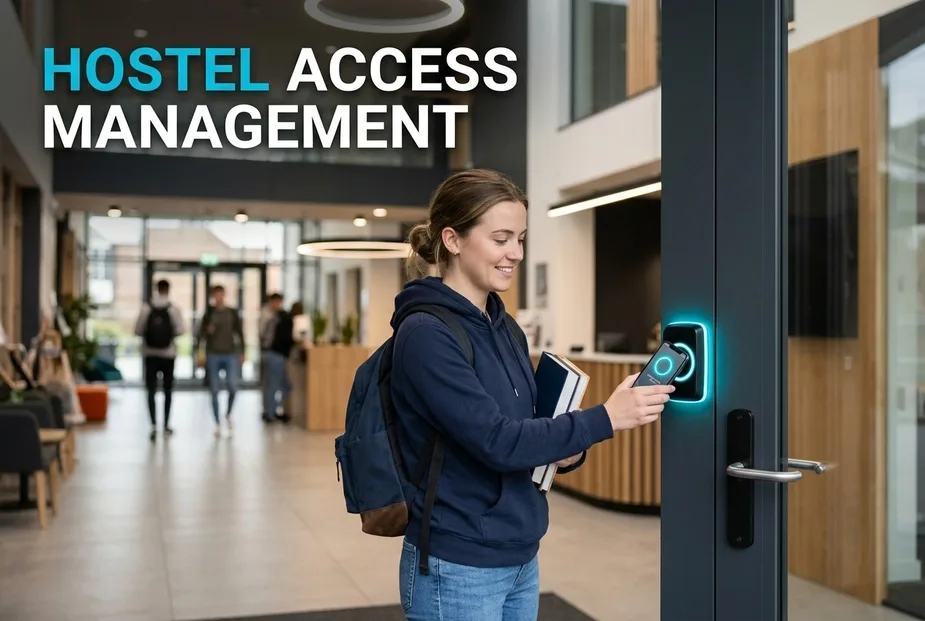
Hostel Access Management System: Balancing Safety and Freedom
Managing student housing is a hard balancing act. Staff must keep dorms safe. At the same time, they must respect student freedom. Old physical cards are easily lost or shared. They can also be copied. This leaves wardens blind to real-time movements. It also risks safety compliance failures. Students get…

Centralized Video Management System: Scaling to 500+ Branches
Managing security across 500 branches is very hard. Broken systems and storage failures leave you open to security breaches. These gaps can lead to heavy fines and financial losses. A strong platform connects all your cameras into one secure network. It saves network bandwidth, even in remote rural areas. What…
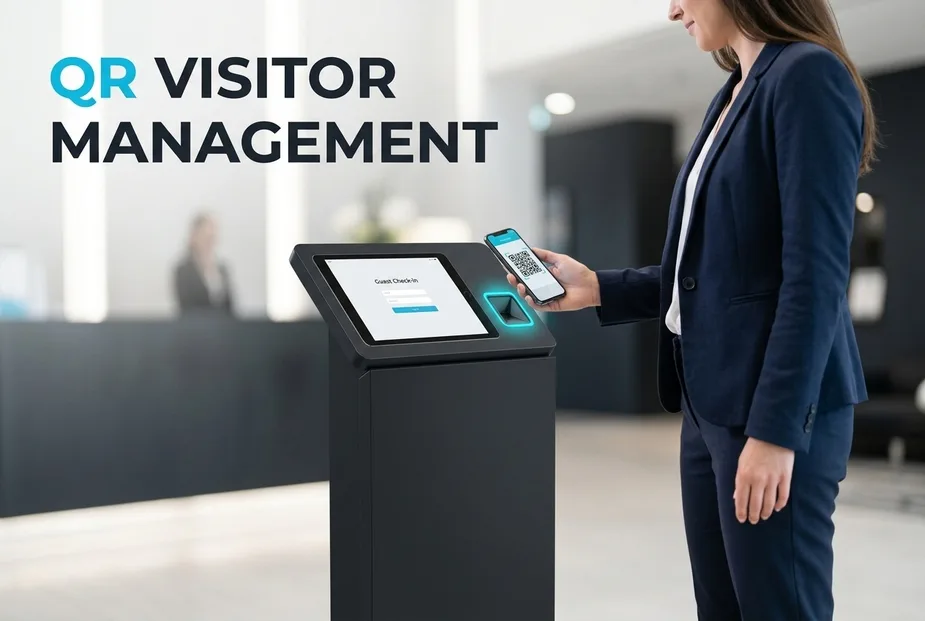
Upgrading Security: The QR Code Visitor Management System Guide
A smart lobby system keeps your building safe. Self-service tools make check-ins fast and simple. These tools help you meet safety rules. They also make visits better. Paper logs and manual desks cause safety risks. They also cause delays. Long lines and human errors waste time. They raise the risk…
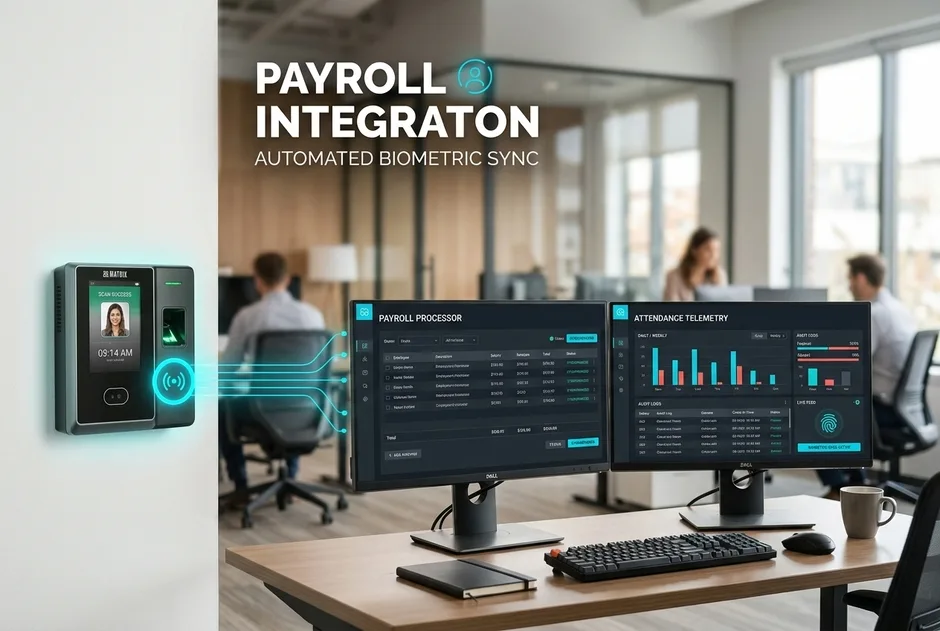
How to Set Up Payroll Integration with Attendance Software
Manual data entry leads to costly mistakes and administrative fatigue. Relying on disconnected spreadsheets means your business likely overpays for unworked hours. Without automatic syncing, you risk severe wage penalties under strict state labor laws. These financial leaks quietly drain your revenue. They also put your organization at legal risk.…
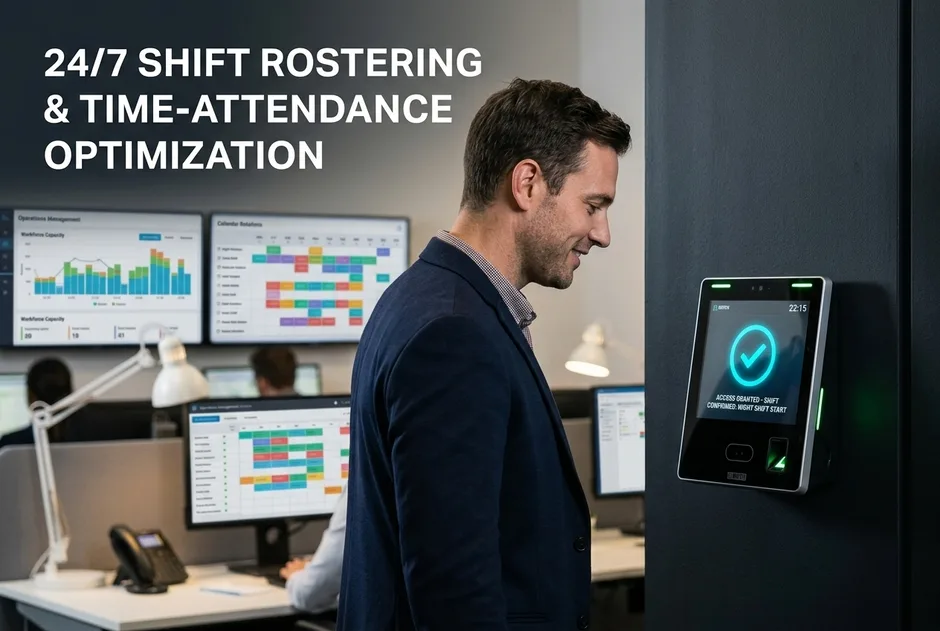
Beyond the Punch Card: How Time-Attendance Systems Optimize Shift Rostering in 24/7 Operations
Managing 24/7 shifts with spreadsheets is a nightmare. This is true for Indian manufacturing, healthcare, logistics, and IT. Old methods cause scheduling chaos and compliance risks. They also create a lot of extra office work. Manual errors lead to understaffing and severe burnout. At the same time, buddy punching silently…
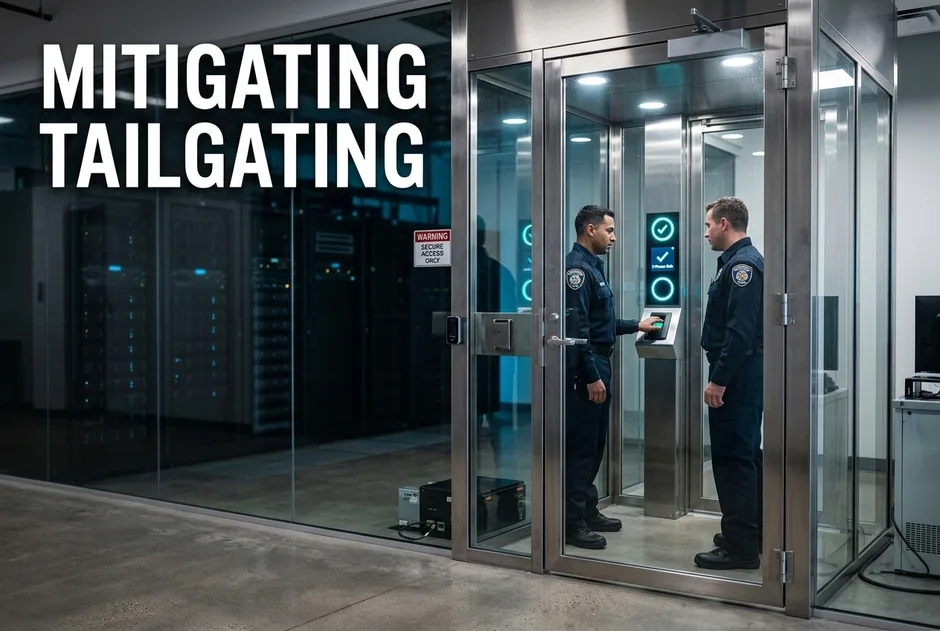
Mitigating the Tailgating Menace: How Mantrap and 2-Person Rule Secure High-Risk Sectors
A polite gesture like holding a door open can bypass millions of dollars in digital defenses. This habit is called tailgating. It lets unauthorized people slip into secure zones without being seen. In 2026, one physical breach can cause major compliance failures under strict HIPAA or NERC CIP rules. Relying…

The Shift to Smartphone Access Control Systems: An Enterprise Guide
Physical RFID badges can hold your enterprise back. They are often lost, cloned, or stolen. For nationwide firms, managing thousands of plastic cards creates constant work. It also creates security risks. Each lost card requires manual deactivation and physical replacement. This process wastes IT and security time. It can also…
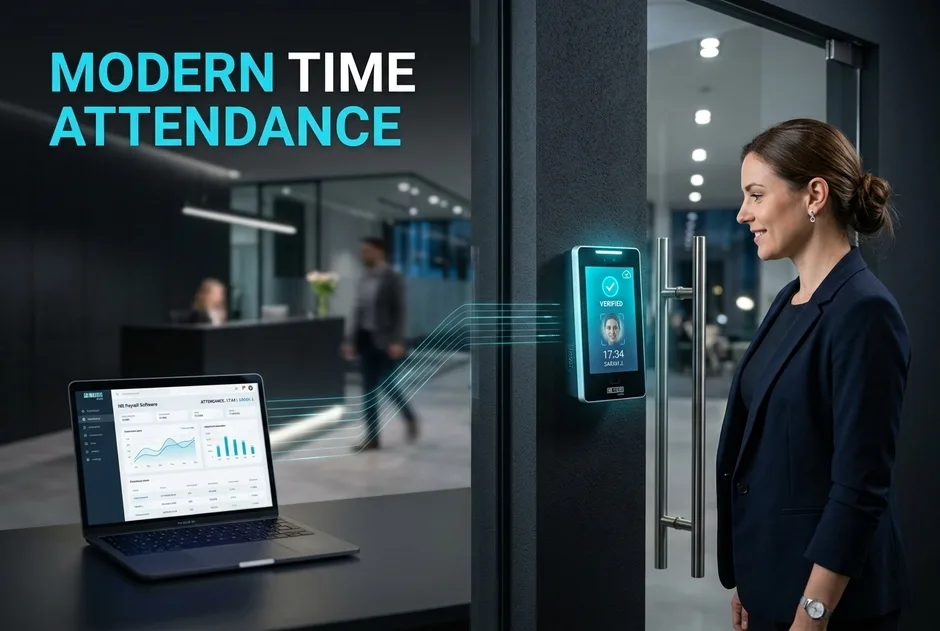
Modern Time-Attendance Systems: How to Move Beyond Punching In and Out
Many large firms use old card systems or manual logs. This leads to slow office work and legal risks. It also causes lost pay money. In fact, companies lose up to 5% of payroll to time theft. Old systems check presence but do not prove who is there. A modern…
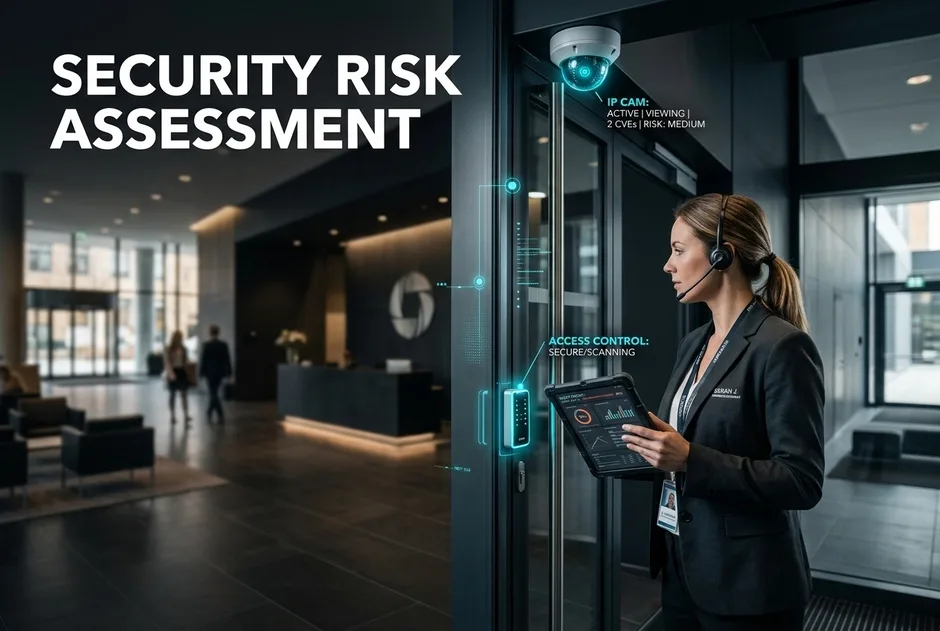
How to conduct a security risk assessment and identify vulnerabilities
Many organizations rely on legacy and disconnected security systems. They operate daily without knowing their actual risks. This approach works, but it does not think. It leaves your team blind to emerging threats. Unidentified gaps in your defense lead to unauthorized access, operational downtime, and heavy compliance penalties. These vulnerabilities…
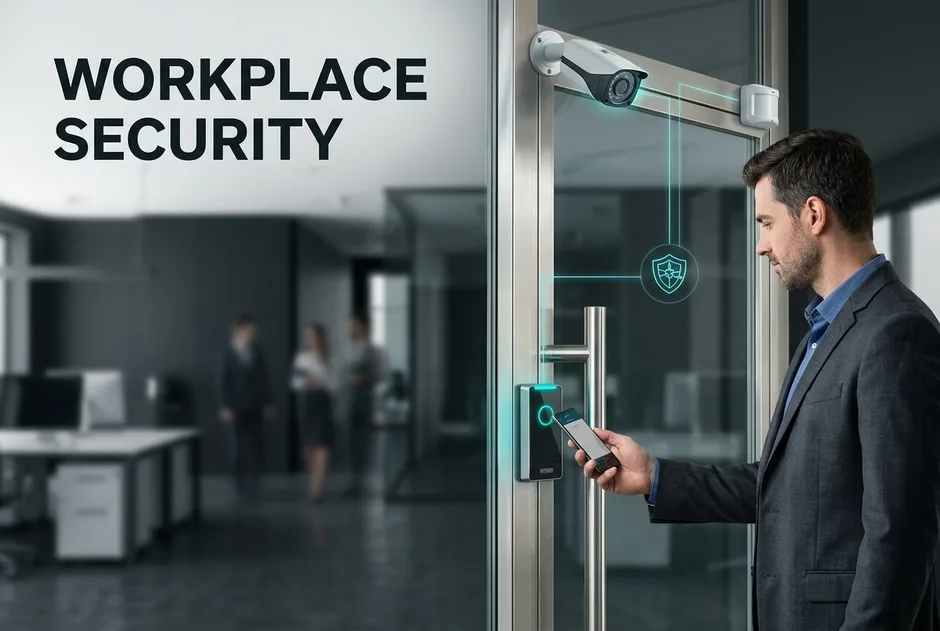
How to Improve Workplace Security and Protect People, Assets and Business
Securing a modern building requires a clear plan. Many firms rely on separate systems and old rules. This leaves gaps in local and web shielding. Weak access control, guest entry, and legacy feeds expose your firm to rogue entry and data leaks. Legacy systems might work, but they do not…
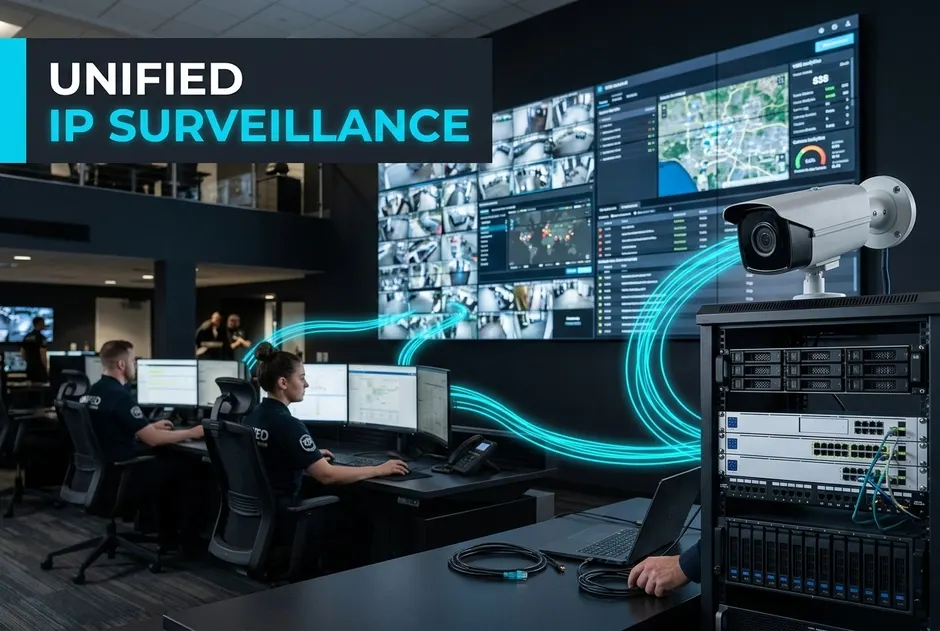
From Cameras to Command Center: How to Build a Unified IP Video Surveillance Architecture
Many firms face a big test. They use old, split tools. Their software is mismatched. Their cams are split. This creates gaps in defense. Managing these feeds is hard. It raises risks across sites. It drains vital cash. It leaves places open to threats. A unified security platform links cams,…
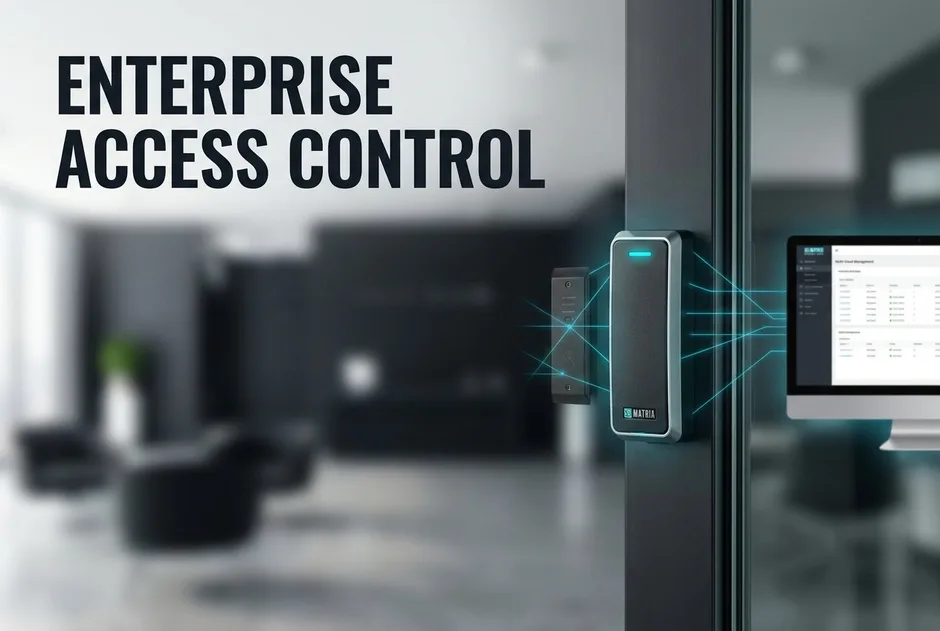
How to Design an Enterprise-Grade Access Control System: From Single Door to Multi-Site
Designing a large system means linking separate sites. Modern systems balance central control with local backup. We use local controllers to store rights. Doors still work if the network goes down. You should use standard cards. But you must also follow local laws. Open platforms connect security tools with HR…

Commercial Security Camera Systems: Complete Guide for Enterprises
Choosing the right security setup is hard. Many firms do not know their needs. They buy the wrong gear. This gear fails when you need it. This leaves teams unprepared. Gaps in coverage create blind spots. Low-quality feeds are blurry. Blurry video makes searches hard. These errors lead to high…

A complete guide to elevator access control & security systems
Traditional lifts often allow completely free transit through a building. This open access creates major risks for multi-tenant sites. Rogue guests can easily slip onto private floors, raising the risk of theft and data loss. Modern elevator access control systems protect multi-floor buildings from rogue guests. By requiring key cards…

A Comprehensive Guide to Bank Security Cameras For Ultimate Security
Banks face daily threats from fraud, staff theft, and ATM-related breaches. Relying on old Security measures leaves your branch weak to smart criminals. Without proper view, blind spots hinder checks and raise work risks. When a breach occurs, low-grade footage makes spotting suspects nearly impossible. It works, but it does…
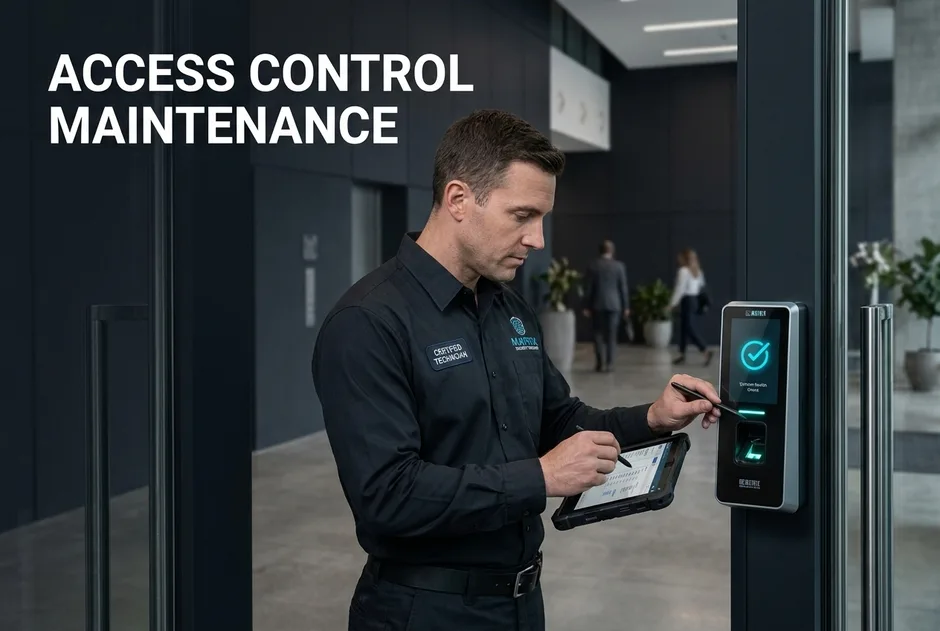
Key steps to access control maintenance for modern facilities
Many enterprises buy advanced lock tools but neglect daily care. Over time, wear and tear leads to reader bugs, door failures, and key errors. These minor issues quickly grow into major gaps and operational issues. Routine hardware and software patches keep your setup compliant, strong, and ready for quick action.…
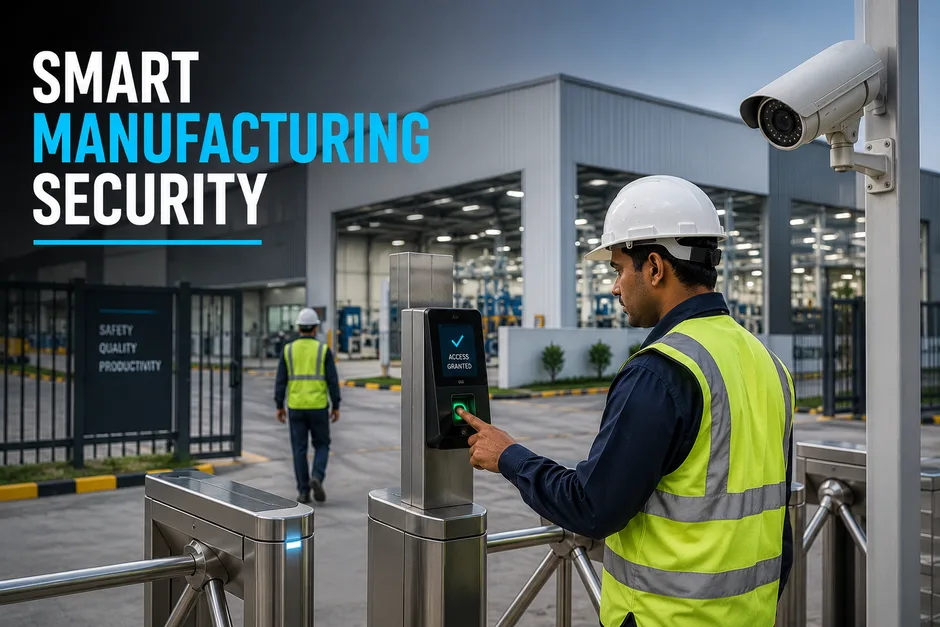
Smart Manufacturing: Securing the Perimeter, Tracking Contract Labor, and Automating Safety Compliance
Modern factories face three big risks. These are fence breaches, unverified contract workers, and strict rule audits. Handling these risks with split systems creates blind spots. For example, video, badge events, and worker records often sit in other tools. Gate teams then struggle to know who is on the shop…

Contract Labor Management at Scale: Tracking Hours and Overtime in Heavy Industries
Managing thousands of outside workers on large sites creates huge blind spots. Relying on paper logs and spreadsheets makes tracking hard. Bad timekeeping leads to high labor costs, fines, and vendor disputes. Heavy industry firms need modern solutions to keep operations running. An integrated contract labor attendance system tracks workers…

Protecting the Protectors: Cybersecurity Best Practices for IP Camera and Video Surveillance Devices
Modern physical security systems protect your facilities, assets, and staff. However, a weak network camera can still be an easy entry point into your network. A hacked camera may let attackers move deeper into your connected systems. From there, they might steal key data, stop services, or alter recordings. This…

Pharmaceutical Facility Physical Security: An Ecosystem Guide
Why Is Drug Plant Defense Under Pressure? Firms must evaluate their pharmaceutical facility's physical security to replace split silos. Drug defense faces rising challenges in 2026. Sites deal with drug theft, loss, and shifting rules. These threats jeopardize patient care and profits. Split setups create dangerous blind spots. When access…
Follow Us
Recent Posts
- Hostel Access Management System: Balancing Safety and Freedom

- Centralized Video Management System: Scaling to 500+ Branches

- Upgrading Security: The QR Code Visitor Management System Guide

- How to Set Up Payroll Integration with Attendance Software
- Beyond the Punch Card: How Time-Attendance Systems Optimize Shift Rostering in 24/7 Operations